

Can a side type hydraulic breaker be used at high altitudes?
As a supplier of Side Type Hydraulic Breakers, I often receive inquiries from customers about the performance and applicability of our products in various environments, especially at high altitudes. This blog aims to delve into the question of whether a side type hydraulic breaker can be used at high altitudes and provide a comprehensive analysis based on scientific principles and practical experience.
Understanding High - Altitude Environments
High - altitude areas are characterized by lower atmospheric pressure, lower oxygen levels, and significant temperature variations. These environmental factors can have a profound impact on the performance of hydraulic breakers.
Atmospheric Pressure
Atmospheric pressure decreases with increasing altitude. For every 1000 meters increase in altitude, the atmospheric pressure drops by approximately 10%. This reduction in pressure affects the operation of the hydraulic system in the breaker. The hydraulic fluid in the breaker is under less external pressure, which can lead to issues such as cavitation. Cavitation occurs when the pressure in the hydraulic fluid drops below its vapor pressure, causing the formation of vapor bubbles. When these bubbles collapse, they can damage the internal components of the hydraulic system, such as the pump and valves.
Oxygen Levels
Lower oxygen levels at high altitudes can also affect the engine that powers the hydraulic breaker. If the breaker is powered by a combustion engine, the reduced oxygen supply can lead to incomplete combustion. This results in decreased power output, increased fuel consumption, and higher emissions. In some cases, the engine may even stall or fail to start.
Temperature Variations
High - altitude areas often experience large temperature differences between day and night. Extreme cold can cause the hydraulic fluid to thicken, increasing its viscosity. This makes it more difficult for the fluid to flow through the hydraulic system, reducing the efficiency of the breaker. On the other hand, high temperatures during the day can cause the fluid to overheat, leading to a breakdown of the fluid's properties and potential damage to the seals and other components.
Side Type Hydraulic Breaker Design and Function
Side type hydraulic breakers are designed to be attached to the side of an excavator or other heavy equipment. They are known for their compact design, high - impact force, and flexibility in operation. The breaker consists of a hydraulic cylinder, a piston, a chisel, and a control valve. The hydraulic system uses pressurized fluid to drive the piston, which in turn strikes the chisel, creating a powerful impact force to break rocks, concrete, or other hard materials.
Hydraulic System
The hydraulic system of a side type hydraulic breaker is the key to its operation. It relies on the flow of hydraulic fluid to transfer power from the power source (usually an engine) to the piston. The system is designed to work under specific pressure and temperature conditions. Any deviation from these conditions can affect its performance.
Impact Mechanism
The impact mechanism of the side type hydraulic breaker is based on the principle of energy transfer. The piston stores energy when it is driven by the hydraulic fluid and releases it when it strikes the chisel. The efficiency of this energy transfer is crucial for the breaker's performance.
Using Side Type Hydraulic Breakers at High Altitudes
Despite the challenges posed by high - altitude environments, side type hydraulic breakers can be used at high altitudes with proper modifications and precautions.
Hydraulic System Modifications
To prevent cavitation, the hydraulic system of the breaker may need to be modified. This can include using a higher - pressure pump or installing a cavitation - prevention device. Additionally, the hydraulic fluid should be carefully selected to have a lower viscosity at low temperatures and a higher boiling point at high temperatures. Some hydraulic fluids are specifically designed for use in extreme environments and can help maintain the performance of the breaker.
Engine Adaptation
If the breaker is powered by a combustion engine, it may need to be adapted to the lower oxygen levels at high altitudes. This can involve adjusting the fuel - air mixture, installing a turbocharger or a supercharger to increase the air intake, or using a more efficient engine design. Some modern engines are equipped with altitude - compensation systems that automatically adjust the engine's performance based on the altitude.
Temperature Management
To deal with temperature variations, the breaker should be equipped with proper insulation and cooling systems. Insulation can help keep the hydraulic fluid warm in cold conditions, while a cooling system can prevent the fluid from overheating in hot weather. Regular maintenance of the cooling system, such as checking the coolant level and the condition of the radiator, is also essential.
Comparison with Other Types of Hydraulic Breakers
In addition to side type hydraulic breakers, there are other types of hydraulic breakers available in the market, such as Backhoe Type Integral Hydraulic Breaker, Box Type Hydraulic Breaker, Skid Loader Type Hydraulic Breaker, and Top Type Split Breaker. Each type has its own advantages and disadvantages in high - altitude environments.
Backhoe Type Integral Hydraulic Breaker
This type of breaker is integrated with the backhoe of an excavator. It is usually more stable and has a larger impact force. However, its size and weight may make it less suitable for some high - altitude operations where space is limited.
Box Type Hydraulic Breaker
The box type hydraulic breaker is known for its durability and protection of internal components. It may be more resistant to the harsh conditions at high altitudes, but its design may limit its flexibility in some applications.
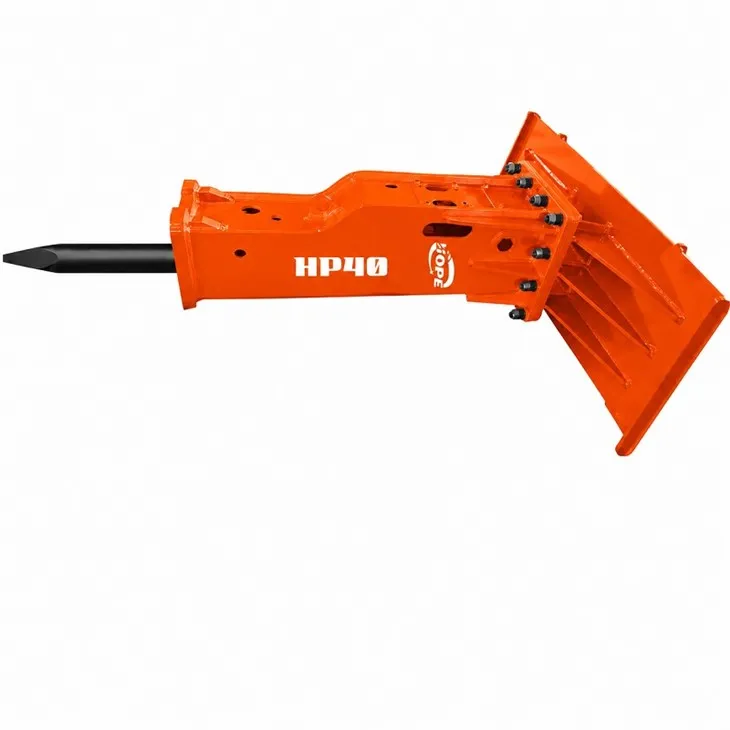
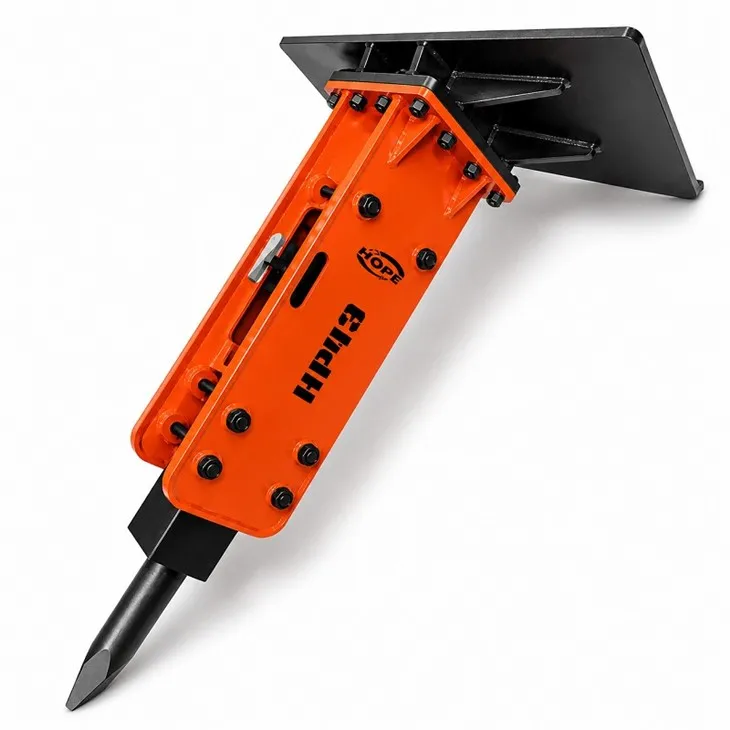
Skid Loader Type Hydraulic Breaker
Skid loader type hydraulic breakers are more compact and maneuverable. They are suitable for small - scale operations at high altitudes, but their impact force may be relatively lower compared to larger breakers.
Top Type Split Breaker
Top type split breakers are designed for specific applications where a split - type structure is required. They may have some advantages in terms of ease of maintenance, but their performance at high altitudes also depends on proper adaptation.
Conclusion and Call to Action
In conclusion, a side type hydraulic breaker can be used at high altitudes, but it requires careful consideration of the environmental factors and proper modifications to the breaker. With the right adjustments, these breakers can provide reliable performance in high - altitude construction, mining, and other applications.
If you are interested in our Side Type Hydraulic Breakers or need more information about using them at high altitudes, we are here to assist you. Our team of experts can provide detailed technical support and guidance to ensure that you choose the right product for your specific needs. Contact us to start a discussion about your procurement requirements and let us help you find the best solution for your high - altitude projects.
References
- Engineering textbooks on hydraulic systems and heavy equipment operation
- Manufacturer's technical manuals for side type hydraulic breakers
- Research papers on the performance of machinery at high altitudes


