

Gneiss, a common and tough metamorphic rock, is widely distributed in various construction sites, mining areas, and road - building projects. As a supplier of Skid Loader Type Hydraulic Breakers, I often encounter inquiries about whether our products can be used to break gneiss. In this blog, I will comprehensively analyze this question from multiple aspects.
Understanding Gneiss
Gneiss is formed under high - temperature and high - pressure conditions in the earth's crust, through the metamorphism of pre - existing rocks such as granite, shale, and feldspar - rich sedimentary rocks. It has a distinct banded structure, which is composed of alternate light and dark mineral bands. The light - colored bands mainly contain quartz and feldspar, while the dark - colored bands consist of biotite, hornblende, or pyroxene.
The hardness of gneiss is relatively high, with a Mohs hardness ranging typically from 6 to 7. This makes it a challenging material to break. Moreover, its banded structure and the heterogeneity in mineral composition can cause uneven force distribution during the breaking process, increasing the difficulty of breaking.
Skid Loader Type Hydraulic Breaker: Features and Working Principles
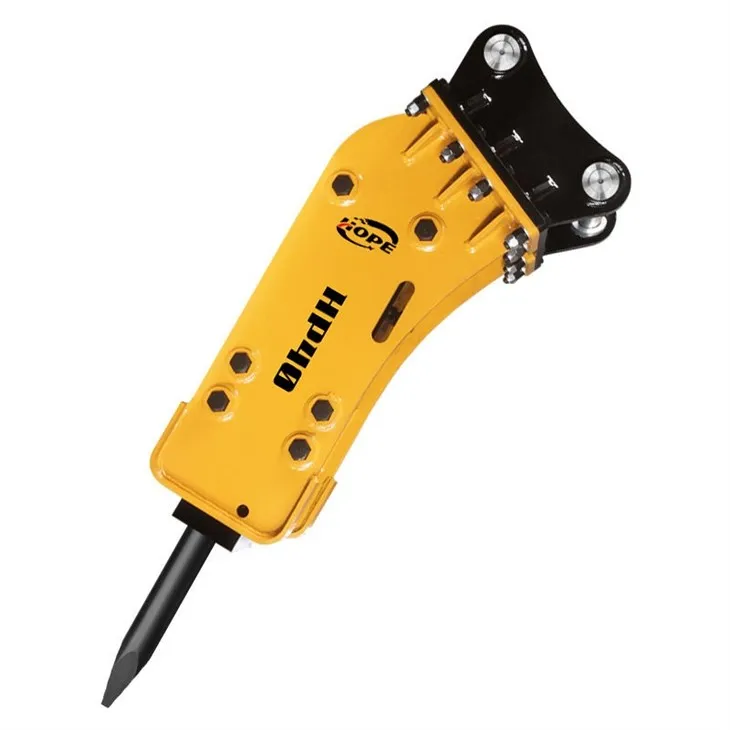
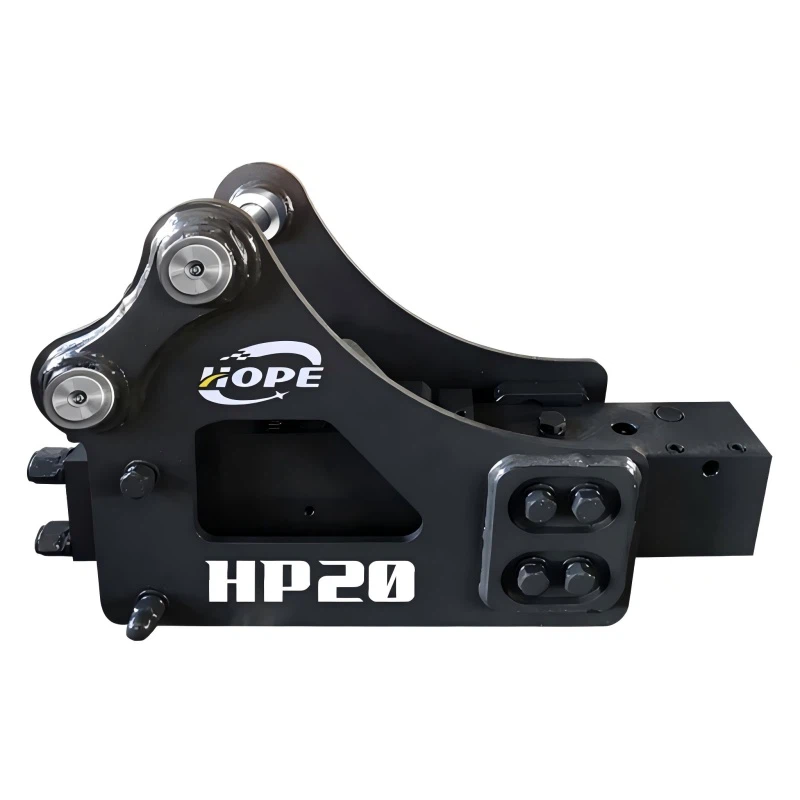
Let's first understand the features and working principles of Skid Loader Type Hydraulic Breakers. You can find more information about our Skid Loader Type Hydraulic Breaker on our website.
These hydraulic breakers are specifically designed to be attached to skid loaders, which are versatile and compact construction machines. The key advantage of skid loader - mounted hydraulic breakers is their high mobility. They can easily access narrow or confined work areas where larger equipment may have difficulty operating.
The working principle is based on hydraulic power. The hydraulic system generates a high - pressure fluid, which drives a piston in the breaker. The piston moves back and forth at a high speed, striking a chisel - shaped tool. This impact force is then transferred to the material to be broken, causing it to fracture.
Can a Skid Loader Type Hydraulic Breaker Break Gneiss?
The answer is yes, but it depends on several factors.
1. Breaker Specifications
The power and impact energy of the Skid Loader Type Hydraulic Breaker are crucial. A breaker with higher power and impact energy is more likely to break gneiss effectively. Breakers with larger piston diameters and higher hydraulic flow rates can generate greater impact forces. For relatively soft gneiss with a lower degree of metamorphism, a breaker with medium - sized specifications may be sufficient. However, for hard and dense gneiss, a high - power breaker is required.
2. Gneiss Properties
As mentioned earlier, the hardness, structure, and mineral composition of gneiss all affect the breaking process. If the gneiss has a homogeneous structure and relatively consistent mineral composition, it may be easier to break compared to gneiss with complex banding and significant mineral inhomogeneity. Additionally, the weathered degree of gneiss also matters. Weathered gneiss is generally easier to break due to the reduced cohesion of minerals.
3. Operating Conditions
The stability of the skid loader, the angle of impact of the breaker, and the operator's skill level can all influence the breaking efficiency. A stable skid loader can ensure that the breaker exerts a consistent and concentrated force on the gneiss. The angle of impact should be optimized to direct the maximum impact force into the material. An experienced operator can adjust the speed, pressure, and impact location in a timely manner according to the characteristics of the gneiss and the feedback during the breaking process.
Advantages of Using Skid Loader Type Hydraulic Breakers for Gneiss Breaking
1. Mobility
In geological exploration and construction projects where gneiss is present, the work area may be fragmented or have complex terrain. The skid loader's small size and high mobility allow it to move quickly between different work points, which is especially useful when dealing with scattered gneiss boulders or in sites with limited space.
2. Cost - effectiveness
Compared with large - scale rock - breaking equipment, skid loaders and their attached hydraulic breakers have relatively low purchase and operating costs. They consume less fuel and require less maintenance, which can significantly reduce the overall cost of the project, especially for small - to - medium - scale gneiss - breaking operations.
3. Versatility
Skid loaders can be easily equipped with different types of attachments. In addition to the hydraulic breaker, they can be used with other tools such as buckets, forks, and sweepers. This means that a single machine can perform multiple tasks in a gneiss - related project, from breaking the rock to cleaning up the debris, improving the overall work efficiency.
Other Types of Hydraulic Breakers for Comparison
In addition to Skid Loader Type Hydraulic Breakers, there are also other types of hydraulic breakers that can be used for gneiss breaking.
- Box Type Hydraulic Breaker: This type of breaker is usually larger and more powerful. It is often used on large excavators and is suitable for large - scale gneiss - breaking projects in open - pit mines or large construction sites.
- Backhoe Type Separate Hydraulic Breaker: Backhoe - mounted breakers are designed for backhoe loaders. They offer a balance between mobility and power. They are suitable for medium - sized gneiss - breaking tasks in road construction and building demolition projects.
- Side Type Hydraulic Breaker: Side - type breakers are often used in special work scenarios where a specific angle of attack is required. They can be very effective when breaking gneiss in narrow spaces or against vertical walls.
- Backhoe Type Integral Hydraulic Breaker: Integral backhoe breakers are designed to be integrated with the backhoe's hydraulic system more closely. They provide stable performance and are suitable for long - term gneiss - breaking operations in various construction sites.
Tips for Using Skid Loader Type Hydraulic Breakers on Gneiss
- Regular Maintenance: Due to the high - intensity impact work on gneiss, the components of the hydraulic breaker are prone to wear. Regularly check and replace seals, pistons, and chisels to ensure the normal operation of the breaker.
- Optimize Parameters: According to the actual property of the gneiss, adjust the hydraulic pressure, flow rate, and impact frequency of the breaker to achieve the best breaking effect.
- Training Operators: Ensure that the operators receive professional training to operate the skid loader and the breaker correctly. A well - trained operator can maximize the performance of the equipment and reduce the occurrence of equipment failures.
Contact for Purchase and Negotiation
If you are interested in using Skid Loader Type Hydraulic Breakers for your gneiss - breaking projects or want to learn more about our products, please feel free to contact us. We are more than happy to provide you with detailed product information, technical support, and competitive quotations. We look forward to cooperating with you to achieve excellent results in your construction and mining projects.
References
- "Engineering Geology" by David R. Bell. This book provides in - depth knowledge about various rock types, including gneiss, and their engineering properties.
- "Hydraulic Breaker Handbook" published by an industry - leading manufacturer. It offers detailed information on the working principles, operation, and maintenance of hydraulic breakers.


