

Hey there! As a supplier of Rotating Pulverizers, I often get asked about the abrasion resistance of the parts in these machines. It's a crucial aspect, especially for those in the construction and demolition industries where these pulverizers are used every day.
First off, let's talk about what abrasion resistance actually means. Abrasion is the process of wearing away a material's surface through contact with another object. In the case of a Rotating Pulverizer, the parts are constantly in contact with hard materials like concrete, brick, and metal during the crushing and demolition process. So, high abrasion resistance is essential to ensure the longevity and performance of the pulverizer.
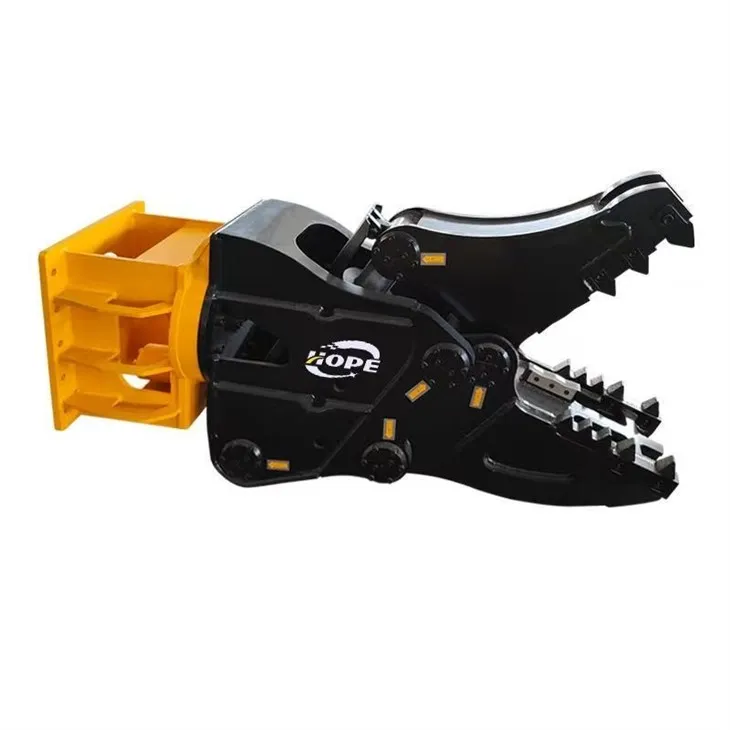
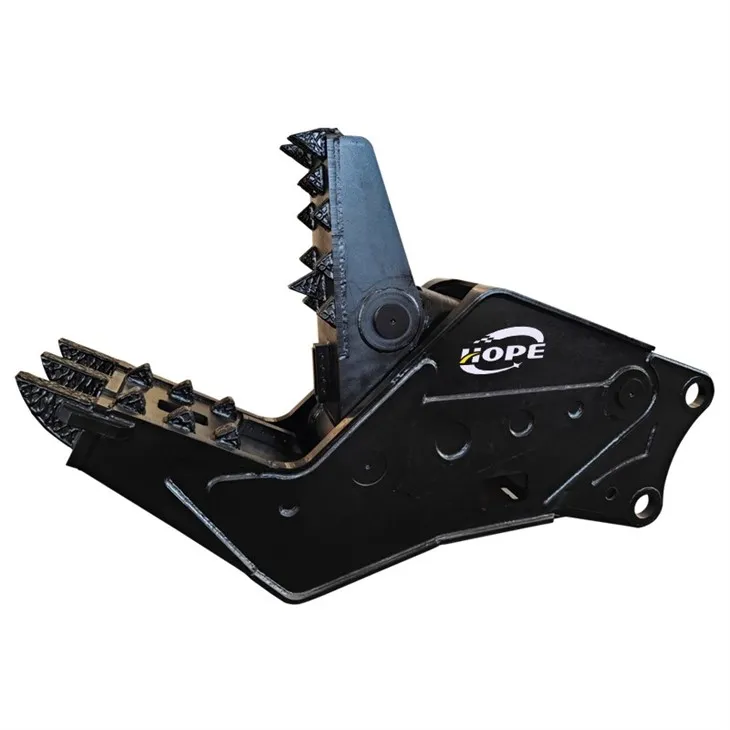
The parts of a Rotating Pulverizer that are most prone to abrasion are the jaws, teeth, and the rotating mechanism. The jaws are the main components that grip and crush the materials. They need to be made of a material that can withstand the high pressure and friction generated during the crushing process. High - strength steel is a common choice for the jaws of a Rotating Pulverizer. This type of steel has excellent hardness and toughness, which helps it resist abrasion.
The teeth on the jaws are also critical. They are the first parts to come into contact with the materials being crushed. A good set of teeth should be made of a carbide - tipped material. Carbide is extremely hard and has high wear resistance. It can cut through tough materials like rebar and concrete without wearing down quickly. For example, if you're using a Rotating Pulverizer to demolish a building with a lot of rebar, the carbide - tipped teeth will be able to handle the job much better than teeth made of regular steel.
The rotating mechanism is another area where abrasion can be a problem. The bearings and gears in the rotating part of the pulverizer are constantly in motion and are subject to friction. To improve the abrasion resistance of these parts, they are often coated with special lubricants and anti - wear materials. These coatings reduce the friction between the moving parts, which in turn reduces the amount of abrasion.
Now, let's look at some factors that can affect the abrasion resistance of the parts in a Rotating Pulverizer. One of the most important factors is the type of material being crushed. If you're working with very hard materials like granite or basalt, the parts of the pulverizer will experience more abrasion compared to when you're crushing softer materials like gypsum or clay.
The operating conditions also play a role. If the pulverizer is used in a dusty environment, the dust particles can act as abrasives and cause additional wear on the parts. Similarly, if the pulverizer is operated at high speeds or with excessive force, it can increase the abrasion on the parts.
To maintain the abrasion resistance of the parts in a Rotating Pulverizer, regular maintenance is key. This includes cleaning the parts to remove any debris and dust, checking the lubrication levels, and inspecting the parts for signs of wear. If any parts are worn beyond a certain point, they should be replaced immediately to prevent further damage to the pulverizer.
Another important thing to consider is the design of the Rotating Pulverizer. A well - designed pulverizer will have features that help reduce abrasion. For example, some Rotating Pulverizers have a self - sharpening system for the teeth. This means that as the teeth wear down during use, they are automatically sharpened, which helps maintain their cutting performance and reduces the amount of abrasion on the jaws.
When it comes to choosing a Rotating Pulverizer, it's important to look for one that has a reputation for good abrasion resistance. You can read customer reviews and look at the specifications of the pulverizer to get an idea of how well its parts will hold up against abrasion.
In addition to the Rotating Pulverizer, we also offer Hydraulic Pulverizer. Hydraulic pulverizers are similar in function but have different design features. They also require high abrasion resistance in their parts to ensure long - term performance.
If you're in the market for a Rotating Pulverizer or a Hydraulic Pulverizer, and you want to learn more about the abrasion resistance of our products, don't hesitate to reach out. We're here to answer all your questions and help you make the right choice for your needs. Whether you're a small - scale contractor or a large construction company, we have the right pulverizer for you.
In conclusion, the abrasion resistance of the parts in a Rotating Pulverizer is a critical factor that affects its performance and longevity. By choosing the right materials, maintaining the pulverizer properly, and considering the operating conditions, you can ensure that your Rotating Pulverizer will serve you well for a long time. So, if you're interested in our Rotating Pulverizers or Hydraulic Pulverizers, contact us today for more information and to start a purchase negotiation.
References:
- Construction Equipment Handbook
- Demolition Industry Best Practices Guide


