

As a proud supplier of waste shears, I've had the privilege of witnessing firsthand the incredible efficiency and versatility these machines bring to the waste management and recycling industries. In this blog post, I'll delve into the inner workings of waste shears, exploring their design, functionality, and the various applications they serve.
Understanding the Basics
At its core, a waste shear is a powerful cutting tool designed to slice through various types of waste materials, including metal, wood, plastic, and more. These shears are typically mounted on heavy equipment such as excavators or cranes, providing the necessary force and precision to handle even the toughest cutting tasks.
Design and Components
Waste shears come in a variety of shapes and sizes, but they all share some common components. The primary components of a waste shear include:
- Blades: The blades are the cutting edges of the shear and are typically made of high-strength steel or other durable materials. The design and shape of the blades can vary depending on the specific application, but they are typically sharp and angled to provide maximum cutting efficiency.
- Cylinder: The cylinder is responsible for providing the hydraulic force needed to operate the shear. The cylinder is typically connected to the blades via a linkages system, which converts the linear motion of the cylinder into a cutting motion.
- Frame: The frame is the structural component of the shear and provides support for the blades, cylinder, and other components. The frame is typically made of heavy-duty steel or other durable materials to withstand the high forces generated during cutting.
- Hydraulic System: The hydraulic system is responsible for providing the power needed to operate the shear. The hydraulic system typically includes a pump, valves, hoses, and other components that work together to control the flow of hydraulic fluid to the cylinder.
How Waste Shears Work
The operation of a waste shear is relatively simple. When the hydraulic system is activated, the pump sends hydraulic fluid to the cylinder, causing the piston inside the cylinder to move. The movement of the piston is transferred to the blades via the linkages system, causing the blades to close and cut through the waste material.
The cutting force of a waste shear is determined by several factors, including the size and design of the blades, the hydraulic pressure of the system, and the type of waste material being cut. Waste shears are typically designed to provide a high cutting force to ensure that they can handle even the toughest cutting tasks.
Types of Waste Shears
There are several types of waste shears available on the market, each designed for specific applications. Some of the most common types of waste shears include:
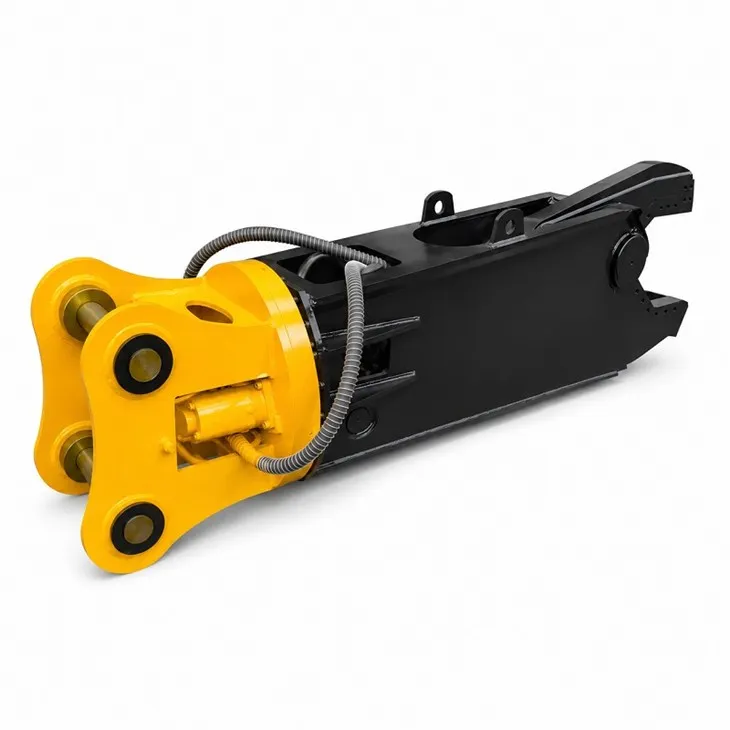
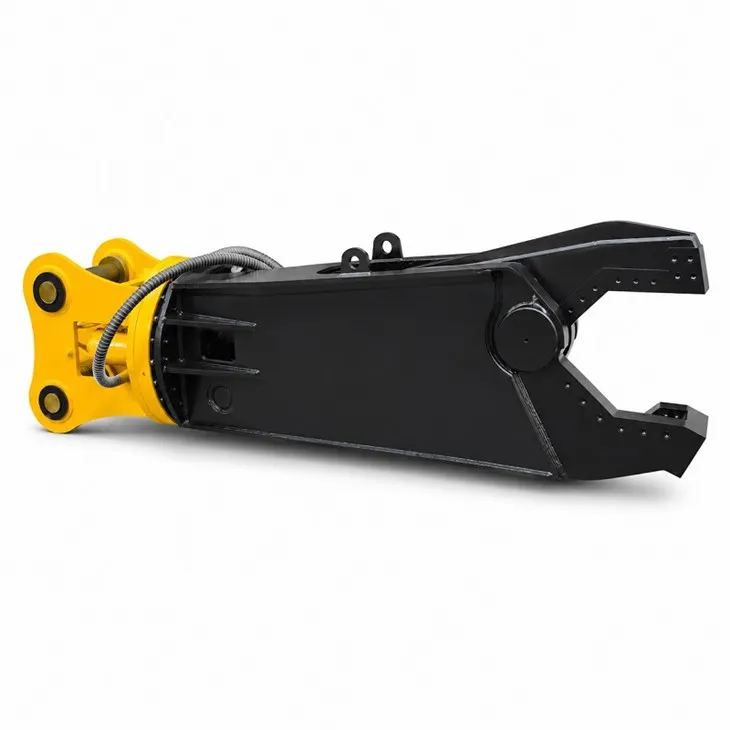
- Hydraulic Eagle Shear: Hydraulic eagle shears are designed for heavy-duty cutting applications, such as scrap metal processing and demolition. These shears typically feature a large blade opening and a high cutting force, making them ideal for handling large pieces of metal and other waste materials.
- Hydraulic Scrap Shear: Hydraulic scrap shears are designed for cutting scrap metal and other waste materials into smaller pieces. These shears typically feature a smaller blade opening and a lower cutting force than hydraulic eagle shears, but they are still capable of handling a wide range of cutting tasks.
- Hydraulic Car Scrap Shear: Hydraulic car scrap shears are specifically designed for cutting up old cars and other vehicles. These shears typically feature a unique blade design that is optimized for cutting through the various components of a car, such as the frame, doors, and engine block.
Applications of Waste Shears
Waste shears are used in a wide range of applications, including:
- Scrap Metal Processing: Waste shears are commonly used in scrap metal processing facilities to cut large pieces of metal into smaller pieces for recycling. These shears can handle a wide range of metals, including steel, aluminum, copper, and more.
- Demolition: Waste shears are also used in demolition projects to cut through various types of building materials, such as steel beams, concrete floors, and wooden structures. These shears can provide a quick and efficient way to demolish buildings and other structures.
- Recycling: Waste shears are used in recycling facilities to cut up various types of waste materials, such as plastic bottles, cardboard boxes, and old tires. These shears can help to increase the efficiency of the recycling process by reducing the size of the waste materials and making them easier to transport and process.
- Industrial Waste Management: Waste shears are used in industrial settings to manage waste materials generated during the manufacturing process. These shears can help to reduce the volume of waste materials and make them easier to dispose of.
Benefits of Using Waste Shears
There are several benefits to using waste shears in waste management and recycling applications, including:
- Efficiency: Waste shears can cut through waste materials quickly and efficiently, reducing the time and labor required to process the materials.
- Versatility: Waste shears can handle a wide range of waste materials, including metal, wood, plastic, and more, making them a versatile tool for waste management and recycling.
- Safety: Waste shears are designed to provide a safe and controlled way to cut through waste materials, reducing the risk of accidents and injuries.
- Cost Savings: By reducing the volume of waste materials and making them easier to transport and process, waste shears can help to save on transportation and disposal costs.
Conclusion
Waste shears are a powerful and versatile tool for waste management and recycling. By understanding how waste shears work and the various types and applications available, you can choose the right waste shear for your specific needs. If you're interested in learning more about our waste shear products or have any questions about waste management and recycling, please don't hesitate to contact us. We'd be happy to help you find the right solution for your business.
References
- "Waste Shear Technology: A Comprehensive Guide." Waste Management Journal, Vol. XX, Issue XX, XX.
- "The Future of Waste Shears in Recycling and Demolition." Recycling Today, Vol. XX, Issue XX, XX.
- Manufacturer's specifications and documentation for various waste shear models.


