

As a provider of Backhoe Type Integral Hydraulic Breakers, one of the most common questions I encounter from customers is, "How often should the tool in a Backhoe Type Integral Hydraulic Breaker be replaced?" This is a crucial question that can significantly impact the efficiency, cost - effectiveness, and safety of construction and demolition projects. In this blog, I'll delve into the factors that influence tool replacement frequency and offer some guidelines to help you make informed decisions.
Understanding the Backhoe Type Integral Hydraulic Breaker
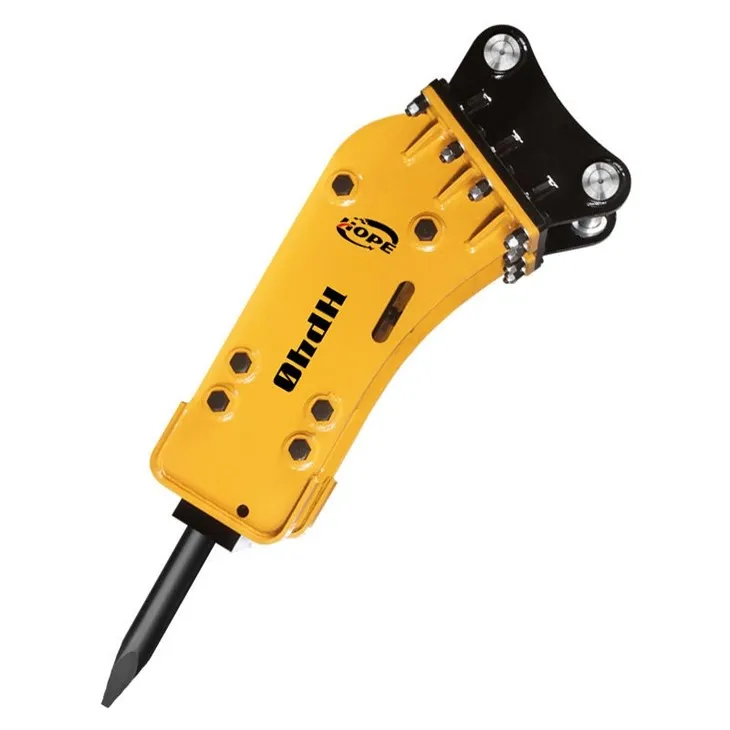
Before discussing tool replacement, let's briefly understand what a Backhoe Type Integral Hydraulic Breaker is. Backhoe Type Integral Hydraulic Breaker is a powerful equipment designed for demolition and excavation tasks. It combines the functions of a backhoe and a hydraulic breaker, allowing for flexible and efficient work in various construction sites. The tool, which is the part that directly contacts the material to be broken, is subject to significant wear and tear.
Factors Affecting Tool Replacement Frequency
1. Material Hardness
The hardness of the material being broken is one of the most critical factors. If you are primarily working on softer materials like clay, silt, or loose gravel, the tool will experience less wear compared to working on harder materials such as granite, concrete with high - strength aggregates, or basalt. For instance, when breaking granite, the extreme hardness causes the tool to endure a high level of impact stress, leading to faster wear and a shorter lifespan. On average, if you are working on extremely hard materials, you may need to replace the tool every 50 - 100 working hours. In contrast, for softer materials, the tool might last 200 - 300 working hours.
2. Operating Conditions
The environment in which the breaker is used also plays a vital role. In dusty or dirty environments, abrasive particles can enter the breaker and accelerate tool wear. Similarly, if the breaker is used in a wet environment, corrosion can occur, weakening the tool over time. Additionally, uneven surfaces or materials with a lot of internal voids can cause the tool to bounce or experience uneven forces, leading to premature wear. For example, in a demolition site where there are high levels of dust and debris, proper cleaning and maintenance of the breaker can be challenging, and the tool may need replacement more frequently, perhaps every 150 - 200 hours.
3. Operator Skill
The skill of the operator can have a substantial impact on tool lifespan. A skilled operator knows how to adjust the breaker's settings according to the material hardness and working conditions. They also ensure proper positioning of the breaker to apply the right amount of force evenly. On the contrary, an inexperienced operator may apply excessive force, cause the tool to strike at an incorrect angle, or keep the breaker running continuously without breaks, all of which can lead to rapid tool wear. In cases where operators are not well - trained, the tool replacement frequency could increase by 20 - 30% compared to operations by skilled operators.
4. Maintenance Practices
Regular and proper maintenance is essential for extending the life of the breaker tool. This includes lubricating the tool, checking and adjusting the breaker's hydraulic pressure, and inspecting the tool for signs of wear and damage. If maintenance is neglected, small issues can quickly escalate into major problems. For example, a lack of proper lubrication can cause increased friction between the tool and the breaker, leading to overheating and accelerated wear. With good maintenance practices, the tool can last up to 30 - 40% longer than in cases where maintenance is poor.
Signs That Indicate Tool Replacement
1. Wear and Tear
Visible signs of wear, such as a significant reduction in the tool's diameter, chipping at the tip, or excessive flattening of the working end, are clear indicators that the tool needs replacement. A worn - out tool will not be able to break the material efficiently, and it can also cause additional stress on the breaker itself.
2. Decreased Performance
If you notice a decrease in the breaker's performance, such as a slower breaking speed or a need to apply more force to achieve the same results, it could be due to a worn - out tool. This decrease in performance not only affects productivity but also increases fuel consumption and wear on other components of the breaker.
3. Unusual Noise or Vibration
Excessive noise or vibration during operation can be a sign of a damaged or worn - out tool. The abnormal movement of the tool within the breaker can cause vibrations that are transmitted throughout the equipment, potentially leading to damage to other parts.
General Guidelines for Tool Replacement
Based on the factors mentioned above, here are some general guidelines for tool replacement:
- Light - duty applications: In light - duty applications where the material is relatively soft and the working conditions are favorable, the tool can be expected to last between 300 - 500 working hours.
- Medium - duty applications: For medium - duty work, such as breaking standard concrete, the tool should be replaced every 150 - 300 working hours.
- Heavy - duty applications: In heavy - duty scenarios, like breaking hard rock, the tool may need replacement every 50 - 150 working hours.
It's important to note that these are just rough estimates, and actual replacement intervals may vary depending on the specific circumstances of each project.
Other Hydraulic Breaker Types
In addition to the Backhoe Type Integral Hydraulic Breaker, there are other types of hydraulic breakers available in the market. Backhoe Type Separate Hydraulic Breaker offers a different design approach, with the breaker being a separate unit from the backhoe, providing more flexibility in some applications. Top Type Integrated Breaker and Top Type Split Breaker are also popular choices, each with its own advantages and suitable working conditions. The Box Type Hydraulic Breaker is known for its durability and stability.

Conclusion and Call to Action
Determining the right time to replace the tool in a Backhoe Type Integral Hydraulic Breaker is crucial for maintaining the efficiency and cost - effectiveness of your construction projects. By considering factors such as material hardness, operating conditions, operator skill, and maintenance practices, you can make informed decisions about tool replacement.
If you are in the market for a high - quality Backhoe Type Integral Hydraulic Breaker or need more information about tool replacement and maintenance, feel free to reach out to us. We are here to provide you with professional advice and top - notch products to meet your construction needs.
References
- Construction Equipment Handbook, 2023 Edition
- Hydraulic Breaker Manufacturer's Manuals
- Industry Research Reports on Construction Machinery


