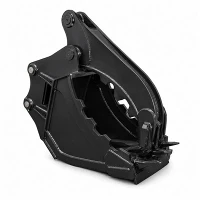
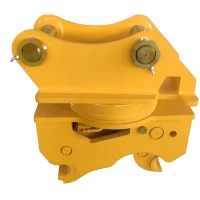
Training operators to use a box type hydraulic breaker effectively is crucial for ensuring safety, maximizing productivity, and maintaining the equipment's longevity. As a supplier of Box Type Hydraulic Breakers, I understand the significance of proper training. In this blog, I will share some comprehensive guidelines on how to train operators to use this powerful tool with expertise.
Pre - training Preparation
Before starting the actual training process, it is essential to gather all the necessary materials. Provide operators with detailed equipment manuals that come with the box type hydraulic breaker. These manuals contain vital information about the breaker's specifications, operating procedures, and safety precautions. Make sure the operators have access to personal protective equipment (PPE) such as hard hats, safety glasses, ear protection, and steel - toed boots.
Conduct an initial assessment of the operators' knowledge and experience. This can be in the form of a simple questionnaire or an interview. Understanding their baseline knowledge will help you tailor the training program to their specific needs.
Theoretical Training
Introduction to the Box Type Hydraulic Breaker
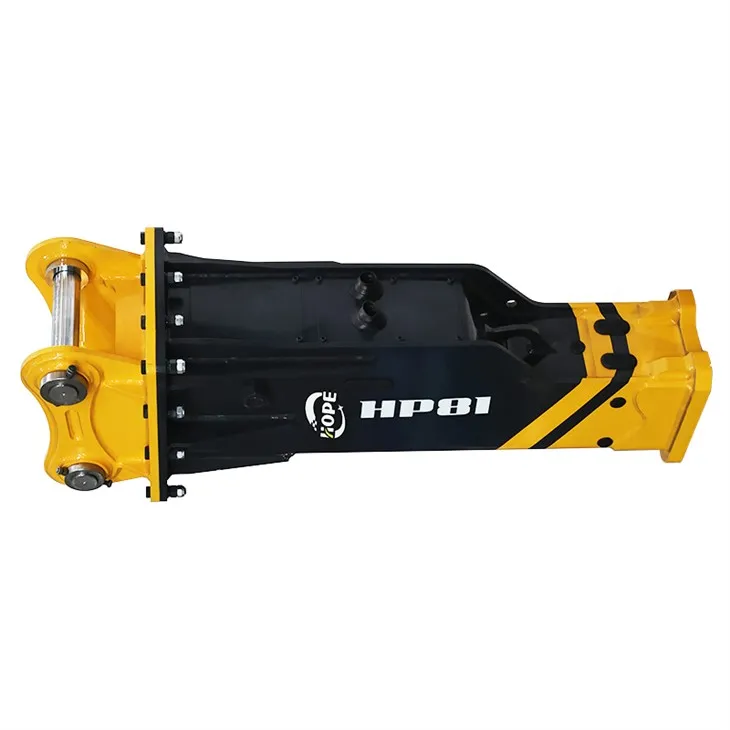
Begin the training with an in - depth introduction to the box type hydraulic breaker. Explain its working principle, which is based on the conversion of hydraulic energy into mechanical energy to generate high - impact blows. Show the operators the main components of the breaker, such as the cylinder, piston, valve, and chisel. Use visual aids like diagrams and videos to make the learning process more engaging and easier to understand.
Compare the box type hydraulic breaker with other types of hydraulic breakers, such as Top Type Integrated Breakers, Backhoe Type Separate Hydraulic Breakers, Skid Loader Type Hydraulic Breakers, and Top Type Split Breakers. Highlight the unique features and advantages of the box type hydraulic breaker, such as its compact design, high efficiency, and better protection of internal components.
Safety Training
Safety should always be the top priority when training operators. Teach them about the potential hazards associated with using a hydraulic breaker, such as flying debris, noise, vibration, and hydraulic fluid leaks. Explain the importance of wearing PPE at all times during operation.
Demonstrate how to perform a pre - operation safety check. This includes inspecting the breaker for any visible damage, checking the hydraulic hoses for leaks and proper connections, and ensuring that the chisel is in good condition. Train the operators on how to handle emergencies, such as what to do in case of a hydraulic fluid fire or a sudden malfunction of the breaker.
Operating Principles and Controls
Familiarize the operators with the operating principles of the box type hydraulic breaker. Explain how the hydraulic system works, including the role of the pump, valves, and cylinders. Teach them how to adjust the breaker's settings, such as the impact energy and frequency, according to the specific application and the type of material being broken.
Show the operators the location and function of all the controls on the breaker and the associated excavator. This includes the on/off switch, throttle control, and any other auxiliary controls. Practice simple control movements with the operators in a safe and controlled environment.
Practical Training
Mounting and Dismounting the Breaker
The first practical training step is to teach the operators how to properly mount and dismount the box type hydraulic breaker on the excavator. Demonstrate the correct procedures for connecting and disconnecting the hydraulic hoses, using the appropriate tools. Emphasize the importance of ensuring a secure and leak - free connection to prevent hydraulic fluid contamination and system failures.

Initial Testing and Warm - up
Once the breaker is mounted, guide the operators through the initial testing procedure. Start the excavator and check the hydraulic system pressure. Instruct the operators to perform a short warm - up period to allow the hydraulic fluid to reach the optimal operating temperature. During the warm - up, the breaker can be operated at a low - impact setting for a few minutes.
Basic Breaking Techniques
Teach the operators the basic breaking techniques. Demonstrate how to position the breaker correctly on the material to be broken. The chisel should be perpendicular to the surface for maximum efficiency. Show them how to apply the right amount of force by controlling the excavator's movement. Explain that excessive force can cause damage to the breaker and the excavator, while insufficient force will result in inefficient breaking.
Practice different types of breaking operations, such as breaking concrete, rock, and asphalt. Provide feedback to the operators on their technique and encourage them to make adjustments as needed.
Advanced Techniques and Troubleshooting
As the operators become more proficient in the basic techniques, introduce advanced breaking techniques. This may include working in confined spaces, breaking at different angles, and dealing with different types of material hardness.
Train the operators on basic troubleshooting skills. Teach them how to identify common problems, such as a loss of impact force, unusual noises, or hydraulic fluid leaks. Provide them with a step - by - step guide on how to diagnose and resolve these issues. However, make it clear that in case of complex problems, they should contact the maintenance team or the manufacturer's technical support.
Post - training Evaluation
After the training program is completed, conduct a comprehensive evaluation of the operators' skills and knowledge. This can be done through a written test that covers the theoretical aspects of the training, as well as a practical demonstration of their ability to operate the box type hydraulic breaker safely and effectively.
Provide the operators with feedback on their performance. Recognize their achievements and offer suggestions for improvement. Keep records of the training and evaluation results for future reference and to ensure compliance with safety and operational standards.
Conclusion
Properly training operators to use a box type hydraulic breaker is a multi - step process that requires a combination of theoretical and practical knowledge. As a supplier, we are committed to providing the best - in - class equipment and training resources to our customers. If you are interested in purchasing our Box Type Hydraulic Breaker and need professional training support, we are here to assist you. We welcome you to contact us for more information and to discuss your procurement needs.
References
- Manufacturer's equipment manuals for box type hydraulic breakers.
- Industry safety standards and guidelines for hydraulic breaker operation.