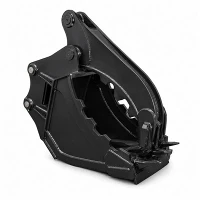
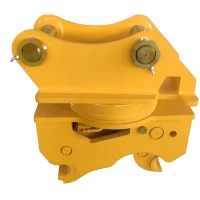
As a tilt bucket supplier, I've had the privilege of witnessing the transformative impact these versatile attachments can have on excavation and construction projects. Tilt buckets are a game-changer in the world of heavy equipment, offering enhanced flexibility and efficiency compared to traditional buckets. In this blog, I'll share the best practices for using a tilt bucket, drawing on my experience and industry knowledge.
1. Pre - operation Checks
Before using a tilt bucket, it's crucial to conduct a thorough pre - operation inspection. First, check the hydraulic connections. Ensure that all hoses are properly attached, free from leaks, and in good condition. A leaking hydraulic hose can not only lead to a loss of hydraulic power but also pose a safety hazard. You can perform a simple visual inspection for any signs of hydraulic fluid on the hoses or connections.
Next, examine the bucket itself. Look for any signs of damage, such as cracks or excessive wear on the cutting edges. The cutting edges are essential for efficient digging, and worn - out edges can significantly reduce the bucket's performance. If the cutting edges are worn, consider replacing them before starting the operation.
Also, check the tilt mechanism. Make sure it moves smoothly and without any binding. You can test the tilt function by operating the controls in a safe and open area. If there are any strange noises or resistance during the tilt operation, it may indicate a problem that needs to be addressed.
2. Proper Attachment to the Excavator
Proper attachment of the tilt bucket to the excavator is fundamental to its safe and efficient operation. Follow the manufacturer's guidelines precisely when attaching the bucket. Most tilt buckets are attached using a quick - coupler system, which allows for easy and fast attachment and detachment.
Ensure that the quick - coupler engages securely with the bucket. There should be no gaps or play between the coupler and the bucket mounting points. This not only prevents the bucket from accidentally detaching during operation but also ensures that the mechanical and hydraulic forces are transmitted correctly from the excavator to the bucket.
Make sure that the hydraulic lines are correctly connected to the excavator's hydraulic system. Incorrect connections can lead to improper operation of the tilt function or even damage to the hydraulic components.
3. Understanding the Tilt Function
One of the key advantages of a tilt bucket is its ability to tilt. Familiarize yourself with the range of tilt angles available on your specific tilt bucket. Different models may have different tilt ranges, typically ranging from 45 to 180 degrees.
Understanding the tilt function allows you to adapt to various digging and grading situations. For example, when trenching on an uneven surface, you can tilt the bucket to match the slope of the ground, ensuring a more consistent trench depth. When grading a site, the tilt function enables you to adjust the bucket's angle to create a smooth and level surface.
It's important to practice tilting the bucket in a controlled environment before using it on a real project. This helps you get a feel for how the tilt function affects the bucket's movement and how to control it accurately.
4. Digging Techniques
When using a tilt bucket for digging, start by positioning the bucket at the correct angle. For most digging operations, a slightly tilted bucket can provide better penetration into the ground. This is because the angled cutting edge can break through the soil more easily.
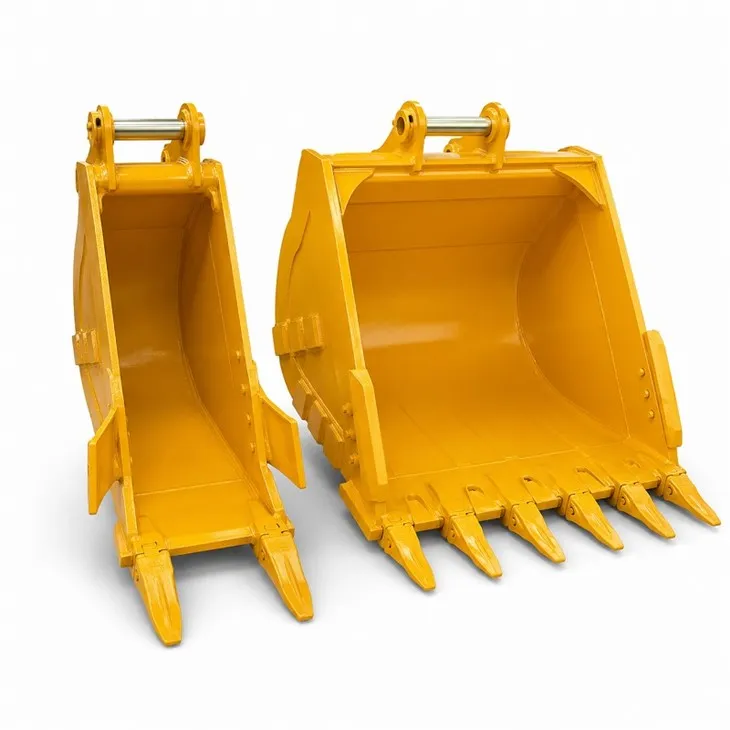
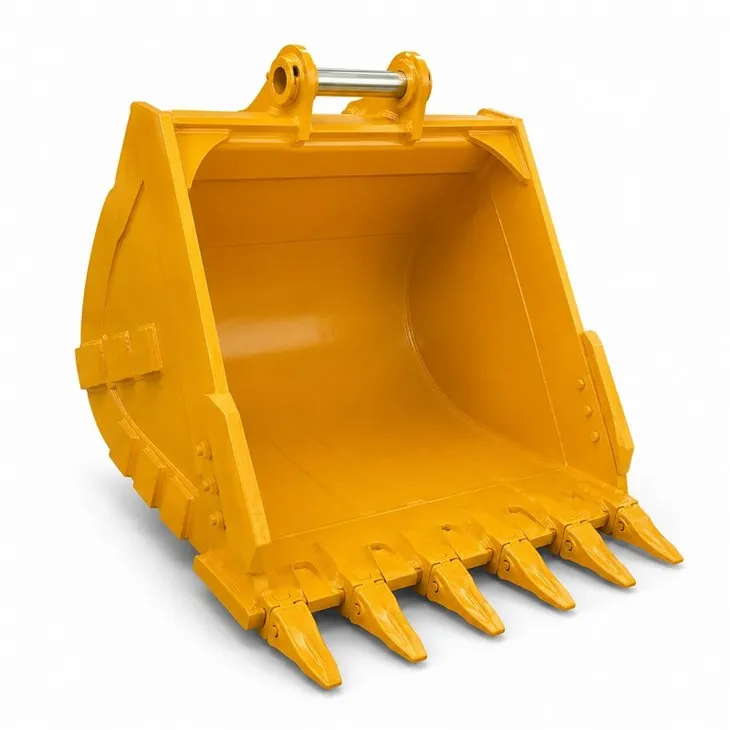
As you dig, use the tilt function to adjust the bucket's position as needed. For example, if you encounter a hard layer of soil or rock, you can tilt the bucket to a steeper angle to increase the cutting force. When digging a trench, use the tilt function to keep the sides of the trench straight and vertical.
Avoid over - tilting the bucket during digging. Over - tilting can cause the bucket to lose its stability and may even lead to the excavator tipping over. Always operate within the safe tilt range specified by the manufacturer.
5. Loading and Dumping
When loading materials into the tilt bucket, position the bucket at an appropriate angle to maximize the amount of material it can hold. Tilt the bucket slightly upward to prevent the material from spilling out during the loading process.
During the dumping operation, use the tilt function to control the direction and speed of the material discharge. You can tilt the bucket to dump the material precisely where you need it, whether it's into a truck, a pile, or a specific location on the site.
If you're working in an area with limited space, the tilt function can be particularly useful. You can tilt the bucket to direct the material in a more controlled manner, avoiding any potential damage to nearby structures or equipment.
6. Grading and Leveling
Tilt buckets are excellent for grading and leveling operations. To achieve a smooth and level surface, start by setting the bucket at a shallow angle. Slowly move the excavator forward while adjusting the tilt of the bucket as needed to follow the contour of the ground.
Use the tilt function to correct any unevenness in the ground. If you encounter a high spot, tilt the bucket to a steeper angle to remove the excess material. For low spots, tilt the bucket to a shallower angle and add some material to fill in the area.
Take your time during grading and leveling operations. Rushing can lead to an uneven surface, which may require additional work to correct later.
7. Maintenance
Regular maintenance is essential for the long - term performance and reliability of your tilt bucket. After each use, clean the bucket thoroughly to remove any dirt, debris, or remnants of the material it has been handling. This helps prevent corrosion and damage to the bucket's components.
Inspect the hydraulic system regularly for leaks, and check the hydraulic fluid level. Replace the hydraulic fluid at the intervals recommended by the manufacturer.
Also, lubricate all the moving parts of the tilt mechanism, such as the pivot points and hinges. This ensures smooth operation and reduces wear and tear on these components.
Conclusion
Using a tilt bucket effectively can significantly enhance the efficiency and productivity of your excavation and construction projects. By following these best practices, from pre - operation checks to regular maintenance, you can get the most out of your tilt bucket.
If you're in the market for a high - quality tilt bucket or other excavator attachments like Grab Bucket Attachment, Excavator Clamshell Grab, Standard Excavator Bucket, or Heavy Duty General Purpose Bucket, feel free to explore our extensive range at Tilt Bucket. We're here to help you find the right equipment for your specific needs. Contact us today to start a conversation about your procurement requirements.
References
- Manufacturer's operation manuals for tilt buckets and excavators.
- Industry best - practice guidelines from construction and heavy - equipment associations.