

In the dynamic world of construction and excavation equipment, staying ahead of the curve is essential. As a supplier of Top Type Integrated Breakers, I've got my finger on the pulse of what's coming up in this industry. Let's dig into the future development trends of these powerful tools.
1. Efficiency and Performance Improvements
One of the most obvious trends we're seeing is the drive for higher efficiency and performance. Equipment users are always looking for more bang for their buck, and that means breakers that can do more work in less time. Manufacturers, including us, are focusing on optimizing the hydraulic systems of Top Type Integrated Breakers. By fine - tuning the flow of hydraulic fluid, we can increase the impact energy of the breaker while reducing the energy loss. This not only makes the breaker more powerful but also more energy - efficient, which is a win - win for the customers.
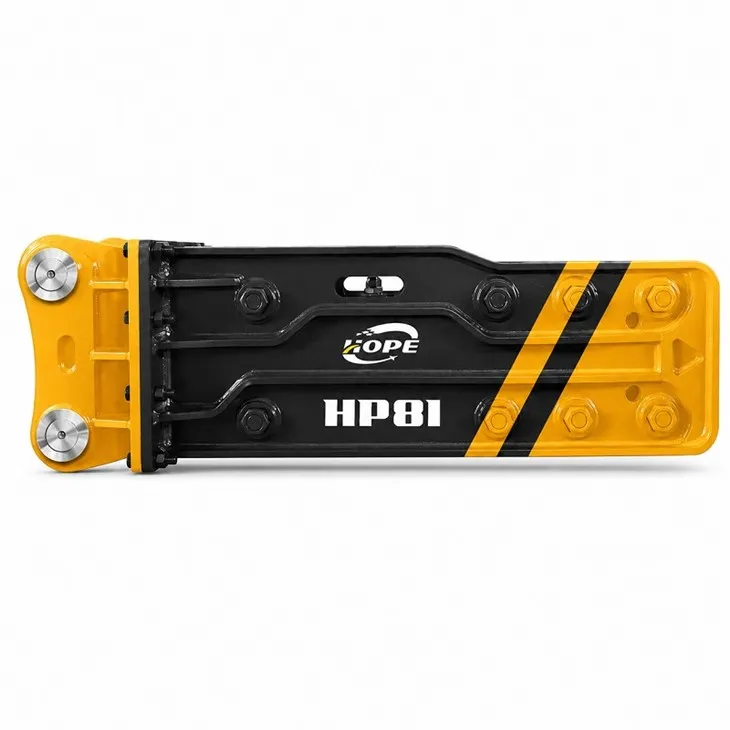

For example, new technologies are being developed to adjust the breaker's impact force according to the hardness of the material being broken. This means that whether you're dealing with soft concrete or hard rock, the breaker can automatically adapt and deliver the right amount of force. This kind of intelligent control is going to be a game - changer in the industry.
2. Environmental Friendliness
In today's world, environmental concerns are at the forefront of every industry, and the construction equipment sector is no exception. Future Top Type Integrated Breakers are going to be more eco - friendly. We're already seeing a push towards reducing noise pollution. Construction sites are often located near residential areas, and the loud noise from breakers can be a major nuisance. To address this, we're developing breakers with better noise - reduction features, such as improved housing designs and damping materials.
Another aspect of environmental friendliness is reducing emissions. Many breakers are powered by diesel engines, which can emit a significant amount of pollutants. In response, there's a growing trend towards electric - powered and hybrid - powered Top Type Integrated Breakers. Electric breakers produce zero emissions on - site, making them a great option for indoor and urban construction projects. Hybrid breakers, on the other hand, combine the power of diesel engines with electric motors, offering a more sustainable solution while still providing the necessary power.
3. Integration with Smart Technology
The rise of the Internet of Things (IoT) and smart technology is also having a big impact on the future of Top Type Integrated Breakers. In the coming years, we'll see more breakers equipped with sensors and connectivity features. These sensors can monitor various parameters of the breaker, such as temperature, pressure, and vibration. By collecting and analyzing this data, we can detect potential problems before they turn into major issues, allowing for preventive maintenance.
For instance, if a sensor detects abnormal vibration levels, it could indicate a problem with the breaker's internal components. A notification can be sent to the equipment operator or the maintenance team, who can then take action to fix the issue. This kind of predictive maintenance not only reduces downtime but also extends the lifespan of the breaker.
Moreover, smart connectivity allows for remote monitoring and control. Equipment managers can access real - time data about the breaker's performance from anywhere in the world through a mobile app or a web - based platform. They can also remotely adjust the breaker's settings, such as impact frequency and force, to optimize its operation based on the specific requirements of the job.
4. Customization and Adaptability
Different construction projects have different requirements, and that's why customization and adaptability are going to be key trends in the future of Top Type Integrated Breakers. Customers are no longer satisfied with a one - size - fits - all solution. They want breakers that can be easily customized to meet their specific needs.
We're already working on developing modular breakers that allow for easy attachment and detachment of different components. This means that customers can change the breaker's configuration depending on the job at hand. For example, if they need to break through thick concrete one day and then move on to softer materials the next, they can quickly adjust the breaker to suit the new task.
In addition, Top Type Integrated Breakers are becoming more adaptable to different types of excavators. The mounting systems are being designed to be more versatile, allowing the breaker to be easily installed on a wider range of machines. This gives customers more flexibility in choosing the equipment that best suits their fleet and project requirements.
5. Competition with Other Breaker Types
Top Type Integrated Breakers are not the only players in the market. There are other types of hydraulic breakers, such as Side Mounted Hydraulic Hammer, Backhoe Type Separate Hydraulic Breaker, Box Type Hydraulic Breaker, and Top Type Split Breaker. Each of these breaker types has its own advantages and disadvantages, and the competition among them is fierce.
To stay ahead, Top Type Integrated Breakers need to continuously improve their features and performance. For example, compared to side - mounted breakers, top - type integrated breakers need to offer better stability and power. At the same time, they need to be more cost - effective to compete with other types of breakers.
Conclusion and Call to Action
The future of Top Type Integrated Breakers is bright, filled with exciting opportunities for innovation and growth. As the industry trends towards higher efficiency, environmental friendliness, smart technology integration, customization, and adaptability, we're committed to leading the way in developing the best - in - class breakers.
If you're in the market for a high - performance Top Type Integrated Breaker, or you want to learn more about how our products can meet your specific needs, don't hesitate to reach out. We're here to help you make the right choice for your construction projects. Whether you're a small - scale contractor or a large construction company, we've got the solutions you need. Contact us today to start a discussion about your requirements and let's take your construction operations to the next level.
References
- “Global Construction Equipment Market Trends and Forecast.” Construction Market Research Reports.
- “Advances in Hydraulic Breaker Technology.” International Journal of Construction Machinery and Equipment.


