

As a reputable supplier of Skid Loader Type Hydraulic Breakers, I've witnessed firsthand the transformative impact these powerful tools have on various industries. These breakers are engineered to break through even the toughest materials with precision and efficiency. Today, I'm excited to delve into the working principle of a Skid Loader Type Hydraulic Breaker, shedding light on the technology that drives our high - performance products.
1. Hydraulic System Basics
At the heart of a Skid Loader Type Hydraulic Breaker is its hydraulic system. Hydraulics is a technology that uses fluid pressure to transmit power and perform mechanical work. In the case of a hydraulic breaker, this fluid is typically a specialized hydraulic oil.
The hydraulic system consists of several key components: a hydraulic pump, hydraulic hoses, a control valve, and the hydraulic cylinder within the breaker itself. The skid loader's engine powers the hydraulic pump, which is responsible for pressurizing the hydraulic oil. This pressurized oil is then transported through the hydraulic hoses to the hydraulic breaker.
The control valve is a crucial part of the system as it regulates the flow and direction of the pressurized oil. By controlling the valve, the operator can start, stop, and adjust the operation of the hydraulic breaker according to the task at hand.
2. Energy Storage and Release Mechanism
A Skid Loader Type Hydraulic Breaker relies on an energy storage and release mechanism to generate the powerful blows needed for breaking hard materials. This mechanism typically involves a nitrogen - filled accumulator in combination with the hydraulic cylinder.
The nitrogen accumulator acts as an energy storage device. When the pressurized hydraulic oil enters the system, it compresses the nitrogen gas in the accumulator. As the pressure builds up, potential energy is stored in the compressed nitrogen.
At the appropriate moment, the release of the stored energy is carefully timed. The control valve redirects the flow of hydraulic oil within the hydraulic cylinder to release the stored energy rapidly. This sudden release forces a piston inside the breaker to move at high speed, striking the tool bit and transmitting a powerful impact to the material being broken.
3. Tool Bit and Impact Transfer
The tool bit is the part of the hydraulic breaker that comes into direct contact with the material to be broken. It is designed to withstand high - intensity impacts and is available in various shapes and sizes depending on the specific application.
When the piston strikes the tool bit, the impact energy is transferred from the piston to the bit and then to the material. The design of the tool bit plays a crucial role in how effectively this energy is transferred and how well the breaker can break different types of materials. For example, a chisel - shaped tool bit is suitable for breaking concrete or asphalt, while a pointed bit is more effective for rock - breaking applications.
4. Types of Skid Loader Type Hydraulic Breakers and Their Applications
There are different types of Skid Loader Type Hydraulic Breakers available, each with its own unique features and applications.
-
Side Mounted Hydraulic Hammer: This type of hydraulic breaker is mounted on the side of the skid loader. It offers excellent maneuverability and is suitable for applications where space is limited. You can learn more about it Side Mounted Hydraulic Hammer.
-
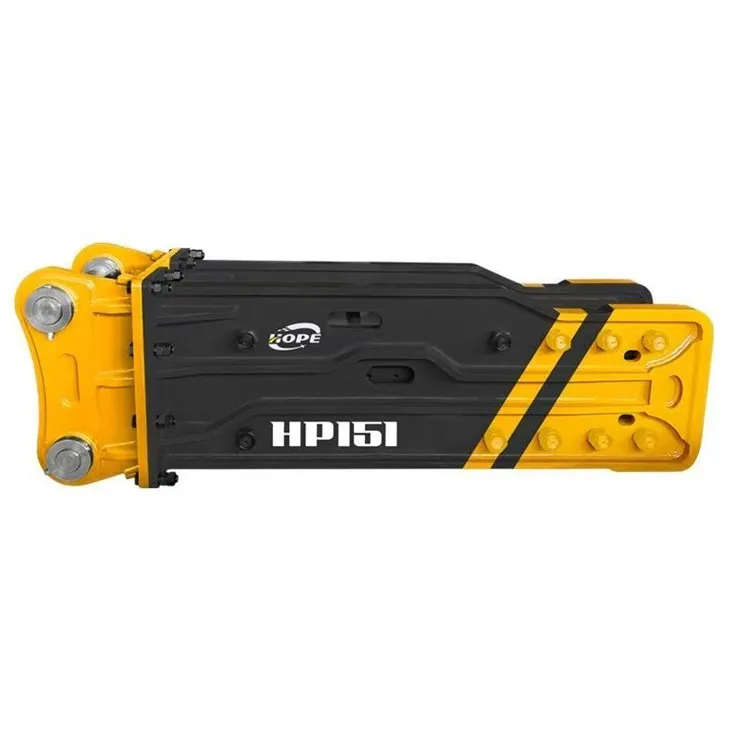
Top Type Split Breaker: Ideal for heavy - duty breaking tasks, the top - type split breaker is designed to deliver maximum impact force. Its split - type structure provides better stability and is often used in large - scale demolition and quarrying projects. Check out Top Type Split Breaker for more details.
-
Top Type Integrated Breaker: This breaker combines efficiency and durability in a single unit. It is easy to install and maintain, making it a popular choice for a wide range of applications from minor construction repairs to medium - scale earthworks. For further information, visit Top Type Integrated Breaker.
-
Side Type Hydraulic Breaker: Similar to the side - mounted hydraulic hammer, the side - type hydraulic breaker offers enhanced maneuverability. It can be easily adjusted to different angles, providing flexibility in various working conditions. Find out more about Side Type Hydraulic Breaker.
-
Backhoe Type Integral Hydraulic Breaker: Designed to be used in conjunction with backhoes, this integral hydraulic breaker is a powerful tool for trenching and excavation work. It provides a seamless integration with the backhoe's hydraulic system, ensuring efficient operation. Explore Backhoe Type Integral Hydraulic Breaker for additional information.
5. Advantages of Skid Loader Type Hydraulic Breakers
5.1 High Efficiency
Skid Loader Type Hydraulic Breakers are known for their high - speed operation. The rapid energy release mechanism allows them to deliver a large number of blows per minute, significantly reducing the time required to break through materials. This efficiency translates into increased productivity on construction sites, quarries, and other industrial applications.
5.2 Versatility
These breakers are highly versatile, as they can be used with a variety of tool bits for different materials. Whether you need to break concrete, asphalt, rock, or other hard substances, there is a suitable tool bit available. Moreover, they can be easily attached to different skid loaders, making them adaptable to various work environments.
5.3 Lower Vibration and Noise
Modern Skid Loader Type Hydraulic Breakers are designed to minimize vibration and noise. This is beneficial for both the operator and the surrounding environment. Reduced vibration helps to extend the lifespan of the breaker and the skid loader, as well as reducing operator fatigue. Lower noise levels also make the working environment more comfortable and comply with environmental regulations in many areas.

6. Maintenance and Safety Considerations
To ensure the optimal performance and longevity of a Skid Loader Type Hydraulic Breaker, regular maintenance is essential. This includes checking the hydraulic oil level and quality, inspecting the hydraulic hoses for leaks or damage, and lubricating the moving parts as recommended.
Safety is also a top priority when operating a hydraulic breaker. Operators should be properly trained on the correct use of the equipment, including how to start, stop, and adjust the breaker. They should wear appropriate personal protective equipment (PPE), such as safety glasses, ear protection, and hard hats.
7. Conclusion and Call to Action
In conclusion, the working principle of a Skid Loader Type Hydraulic Breaker is based on the efficient use of hydraulic power, energy storage and release, and effective impact transfer. These breakers offer numerous advantages in terms of efficiency, versatility, and reduced environmental impact.
If you're in the market for a high - quality Skid Loader Type Hydraulic Breaker, we're here to help. Our products are designed and manufactured to the highest standards, ensuring reliable performance and long - term durability. Whether you're involved in construction, demolition, quarrying, or any other industry that requires powerful breaking equipment, we have the right solution for you. Please feel free to reach out to us for more information, product specifications, or to discuss your specific needs. Let's start a conversation about how our Skid Loader Type Hydraulic Breakers can enhance your operations.
References
- Hydraulic Engineering Handbook, XYZ Press
- Construction Equipment Technology Manual, ABC Publications
- Principles of Hydraulic Machinery, DEF Publishing


