HOPE RIPPER
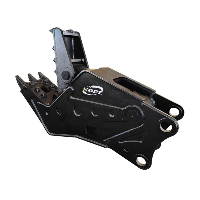
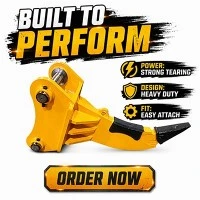
The product is usually made up of components like a connecting frame, main beam, reinforcing plates, tooth holder, ripper teeth, and pins. Depending on the excavator's tonnage, boom mounting size, work environment, and the material to be broken, it can be matched with single, double, or multiple tooth structures. For different working conditions, you can also choose ripper teeth with different shapes, lengths, tip designs, and wear-resistant structures.
Excavator rippers are suitable for earthwork, road construction, foundation excavation, mining and quarrying, frozen soil construction, site leveling, trench digging, and old pavement removal. The actual applicable range, ripping depth, and work efficiency should be based on the specific model, equipment specs, and on-site conditions.

Technical Parameters
| ITEMS | Models | |||||
| Mini | 02/04 | 06 | 08 | 10 | 17 | |
| suitable Carrier(ton) | 1.5-4 | 5-9 | 12-18 | 19-24 | 25-32 | 36-45 |
| Pin Distance(mm) | 85-200 | 220-310 | 390 | 465 | 515 | 580 |
| Total Width(mm) | 260 | 320 | 430 | 530 | 610 | 680 |
| Toal Height(mm) | 310 | 420 | 530 | 670 | 700 | 800 |
| Total Length(mm) | 700 | 800 | 1000 | 1400 | 1620 | 1720 |
| Pin Diameter(mm) | 25-40 | 45-55 | 60-70 | 70-80 | 90 | 100-120 |
| Arm Width(mm) | 90-150 | 180-230 | 220-315 | 300-350 | 350-410 | 370-480 |
| Weight(mm) | 50 | 80 | 280 | 400 | 550 | 900 |
FAQ
Q:What working conditions are excavator rippers mainly suitable for?
A: Excavator rippers are mainly used to loosen and break up hard soil, compacted soil, frozen ground, weathered rock, gravel layers, and old pavements. Common applications include earthwork projects, road construction, foundation digging, mining operations, trench construction, and site cleanup.
Q:Can my excavator be fitted with a ripper?
A:You need to check based on the excavator brand and model, total tonnage, boom structure, pin diameter, pin center distance, ear plate width, and installation space. It's recommended to provide the excavator nameplate, connection dimensions, or on-site installation photos before purchasing, so the manufacturer can verify compatibility.
Q:Does the soil loosener need to be connected to hydraulic lines?
A: Conventional mechanical soil loosening tools mainly rely on the excavator's downward pressure, traction, and the design of the teeth to loosen the soil, usually without needing extra hydraulic power. But whether special hydraulic setups are needed really depends on the actual product structure and model requirements.
Q:What should you pay attention to when using and maintaining a soil loosener?
A:After installation, you should check whether the connecting frame, pins, bushings, tooth seats, ripping teeth, welded parts, and fasteners are secure. When working, make sure to control the cutting angle and force according to the material's hardness to avoid twisting sideways, excessive prying, dragging, or overloading. Also, regularly check the wear on the tooth tips, tooth seats, pins, and bushings, and replace them promptly if needed.
Hot Tags: ripper, China ripper manufacturers, suppliers, factory