 HOPE Hydraulic grapple
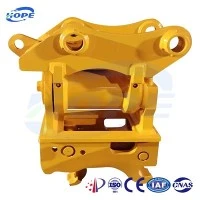
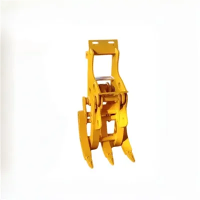
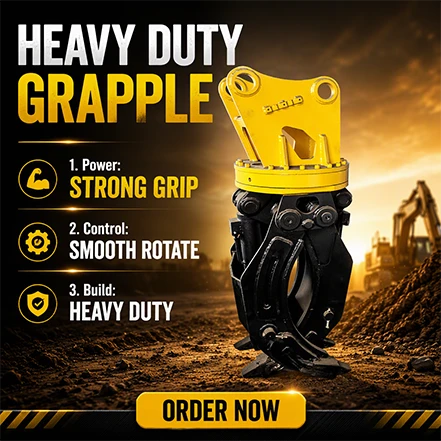
The hydraulic log grapple is specially designed for excavators to handle timber and bulk materials. It uses hydraulic power to open and close the grapple, allowing it to grab, move, sort, and stack logs, lumber, bamboo, scrap steel, stones, and other materials. The product is built solidly, operates flexibly, and supports either fixed or hydraulic rotation setups. It can also be customized to match the excavator's tonnage, installation size, hydraulic parameters, the materials being handled, and the working environment. It's perfect for forestry, wood processing, recycling, port loading and unloading, and construction sites.
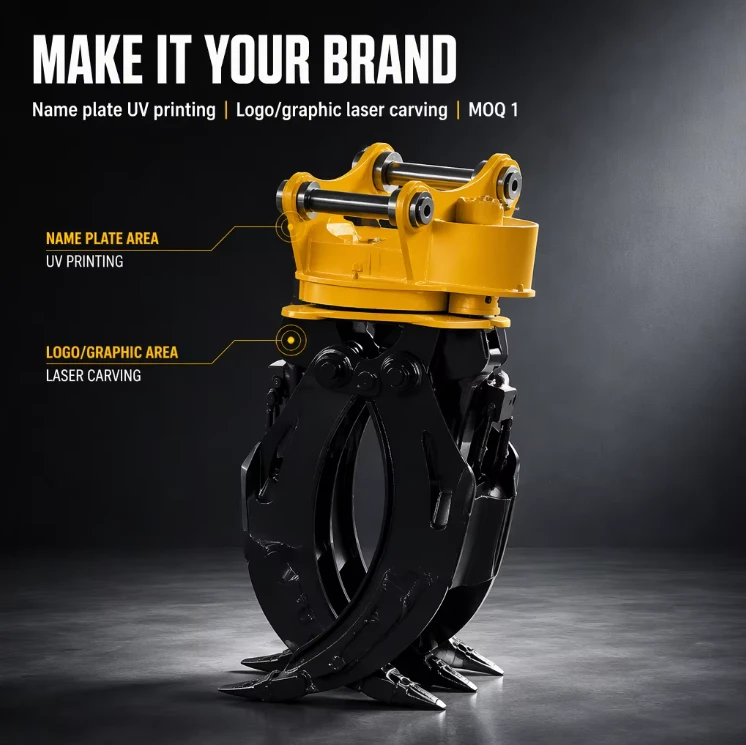
The product can be equipped with different numbers, shapes, and opening types of grapple tines depending on the material and working environment. Combined with a rotary mechanism, reinforced body, wear-resistant liners, and precision pins, it can securely hold the target material. The hydraulic log grapple can be selected or customized based on the excavator's tonnage, hydraulic flow, installation size, operating radius, and working conditions.
It's suitable for customers like wood processing companies, forestry and logging operations, scrap recycling businesses, steel and waste material handling yards, port terminals, construction companies, equipment rental providers, and anyone who needs to handle bulk materials.
Technical Specifications
|
Model |
Suitable Carrier (ton) |
Opening Size (mm) |
Operating Pressure (kg/cm²) |
Set Pressure (kg/cm²) |
Required Oil Flow (l/min) |
Cylinder Volume (l) |
Product Weight (kg) |
|
HP-02/04 |
5-9 |
1400 |
110-140 |
170 |
30-55 |
2*4 |
350 |
|
HP-06 |
10-17 |
1800 |
150-170 |
190 |
90-110 |
2*8 |
740 |
|
HP-08 |
18-24 |
2300 |
160-180 |
200 |
100-140 |
2*9.7 |
1380 |
|
HP-10 |
25-32 |
2500 |
160-180 |
210 |
130-170 |
2*12 |
1700 |
Common Product Questions
What tasks are hydraulic log grapples mainly used for?
Hydraulic log grapplers are mainly used for grabbing, moving, loading, unloading, stacking, and sorting logs, lumber, bamboo, scrap steel, stones, concrete blocks, and other bulk materials. They're suitable for forestry, wood processing, recycling, port handling, construction, and site cleanup.
Does The hydraulic log grab need to be adjusted after installation?
Yes. After installation, you should check if the pins, bushings, cylinders, hydraulic hoses, joints, and fasteners are installed correctly, and make sure the grab arms open and close properly. For rotary products, also check the rotation and hydraulic connections. If you notice any oil leaks, abnormal movements, or unstable locking during testing, stop using it and find out why.
How should a hydraulic log grapple be maintained on a daily basis?
Daily checks should be done regularly on pins, bushings, cylinders, hose joints, the slewing mechanism, grab welding parts, and fasteners, and they should be lubricated and tightened according to the product manual. If you notice oil leaks, looseness, unusual wear, deformation, or cracks, stop using it and get it repaired right away. When working, don't exceed the rated conditions of the product, and don't use the log grapple for prying, hitting, dragging, or impact work beyond its intended use.
What should I do if the hydraulic log grapple's claws are moving slowly?
First, you should stop working and check the hydraulic oil level, hose connections, hydraulic cylinders, and control valves to see if there are any leaks, blockages, low pressure, or air in the lines. At the same time, check the pins, bushings, and gripper linkages for any sticking or foreign objects. If you can't figure out the cause of the problem, it's not recommended to disassemble the hydraulic system yourself; you should contact the manufacturer or a professional repair person for inspection.
Hot Tags: hydraulic grapple, China hydraulic grapple manufacturers, suppliers, factory