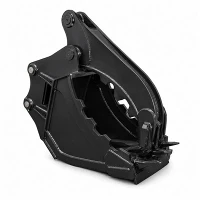
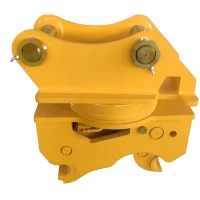
A rotating quick coupler is a vital component in the construction and excavation industry. It allows for the rapid and efficient change of attachments on heavy machinery, such as excavators. However, like any mechanical device, it can experience faults over time. The question that often arises is whether a faulty rotating quick coupler can be repaired. As a supplier of rotating quick couplers, I will delve into this topic and provide some insights based on my experience in the industry.
Understanding Rotating Quick Couplers
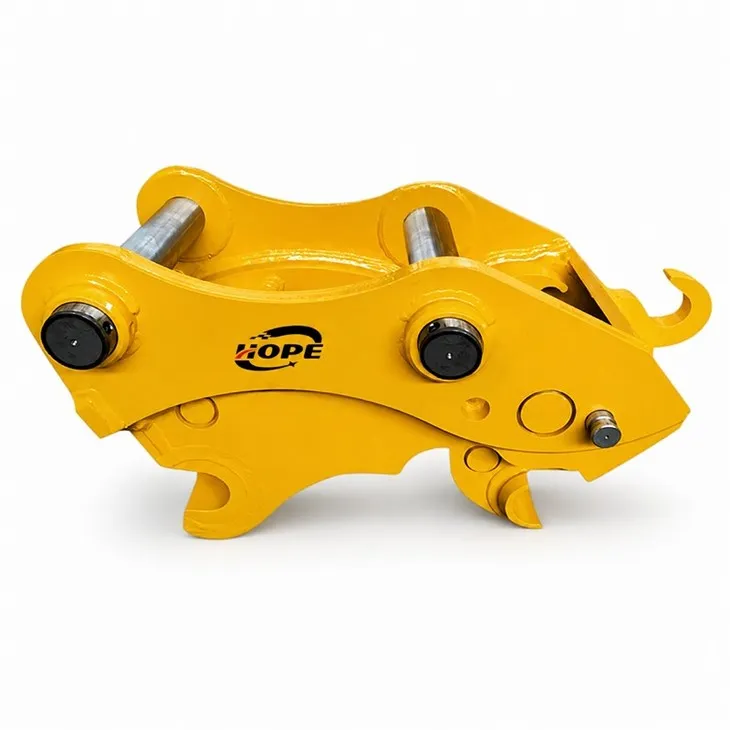
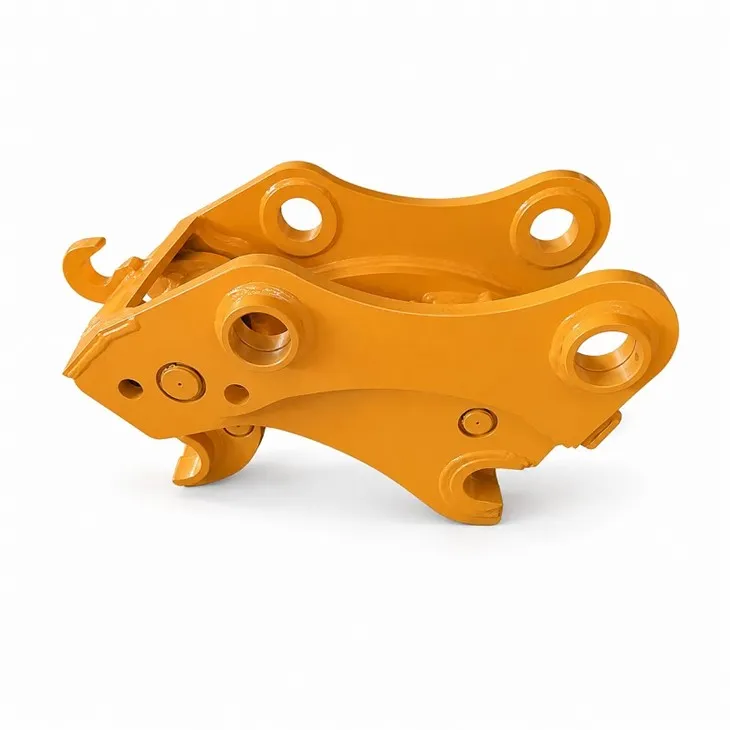
Before discussing the repair possibilities, it's essential to understand what a Rotating Quick Coupler is and how it works. A rotating quick coupler is designed to connect different attachments to an excavator or other heavy equipment. It provides a mechanism for quick and easy attachment changes, which significantly improves productivity on job sites. The coupler typically consists of a hydraulic or mechanical system that allows for rotation and locking of the attachment.
There are several types of quick couplers available in the market, each with its own features and benefits. For example, Double Lock Quick Hitch offers enhanced safety by providing a dual locking mechanism. Tilt Quick Coupler allows for tilting of the attachment, providing greater flexibility in operation. Mechanical Quick Hitch and Hydraulic Quick Hitch are also common types, each with its own advantages in terms of ease of use and functionality.
Common Faults in Rotating Quick Couplers
Rotating quick couplers can develop various faults due to factors such as wear and tear, improper use, or lack of maintenance. Some of the common faults include:
Hydraulic Leaks
Hydraulic systems are an integral part of many rotating quick couplers. Leaks can occur in hydraulic lines, seals, or valves. These leaks can be caused by damaged hoses, worn seals, or loose connections. Hydraulic leaks not only reduce the efficiency of the coupler but can also lead to environmental contamination.
Mechanical Wear
The moving parts of a rotating quick coupler can experience wear over time. This includes the pivot points, gears, and locking mechanisms. Mechanical wear can result in loosening of the attachment, reduced rotation, or even complete failure of the coupler.
Electrical Problems
Some modern rotating quick couplers are equipped with electrical components, such as sensors and control systems. Electrical problems, such as short circuits or faulty sensors, can affect the proper functioning of the coupler.
Corrosion
Exposure to moisture, chemicals, and harsh environmental conditions can cause corrosion in the coupler. Corrosion weakens the metal components and can lead to structural failure.
Repairing a Faulty Rotating Quick Coupler
The good news is that in many cases, a faulty rotating quick coupler can be repaired. The repair process depends on the nature and severity of the fault. Here are some common repair methods:
Hydraulic Leak Repair
If the fault is a hydraulic leak, the first step is to identify the source of the leak. This may involve inspecting the hydraulic lines, seals, and valves. Damaged hoses can be replaced, and worn seals can be repaired or replaced. Loose connections should be tightened to prevent further leaks.
Mechanical Wear Repair
For mechanical wear, the worn parts can often be replaced. This may include pivot pins, gears, or locking mechanisms. In some cases, the parts may need to be reconditioned or machined to restore their proper functionality. However, if the wear is too severe, it may be necessary to replace the entire coupler.
Electrical Problem Repair
Electrical problems require a more specialized approach. A qualified technician should be able to diagnose the issue using appropriate testing equipment. Faulty sensors can be replaced, and short circuits can be repaired by fixing the wiring.
Corrosion Repair
For corrosion, the affected areas can be cleaned and treated to prevent further corrosion. In some cases, the corroded parts may need to be replaced. Applying a protective coating can also help prevent future corrosion.
Factors to Consider Before Repairing
Before deciding to repair a faulty rotating quick coupler, there are several factors to consider:
Cost
The cost of repair should be compared to the cost of a new coupler. In some cases, the repair cost may be close to or even exceed the cost of a new coupler, especially if multiple parts need to be replaced.
Time
Repairing a coupler can take time, which may result in downtime for your equipment. Consider the impact of this downtime on your project schedule and productivity.
Safety
Ensure that the repaired coupler meets all safety standards. A faulty coupler can pose a significant safety risk on the job site, so it's essential to have the repair done by a qualified technician.
Warranty
Check if the coupler is still under warranty. If it is, the repair may be covered by the manufacturer, which can save you a significant amount of money.
Preventive Maintenance
To minimize the chances of a rotating quick coupler developing faults, it's important to implement a preventive maintenance program. Here are some preventive maintenance tips:
Regular Inspections
Conduct regular visual inspections of the coupler to check for signs of wear, leaks, or damage. Look for loose connections, worn seals, and any other visible issues.
Lubrication
Proper lubrication of the moving parts is essential to reduce friction and wear. Follow the manufacturer's recommendations for lubrication intervals and use the appropriate lubricant.
Cleaning
Keep the coupler clean to prevent the buildup of dirt, debris, and corrosion. Use a suitable cleaning agent and a soft brush to clean the coupler regularly.
Operator Training
Ensure that your operators are properly trained on the use and maintenance of the rotating quick coupler. Improper use can lead to premature wear and damage.
Conclusion
In conclusion, a faulty rotating quick coupler can often be repaired, depending on the nature and severity of the fault. However, it's important to carefully consider the cost, time, safety, and warranty factors before deciding to repair. Implementing a preventive maintenance program can help minimize the occurrence of faults and extend the lifespan of your coupler.
If you are experiencing issues with your rotating quick coupler or are in the market for a new one, we are here to help. Our team of experts can provide you with professional advice and solutions tailored to your specific needs. Whether you need a Double Lock Quick Hitch, a Tilt Quick Coupler, or any other type of quick coupler, we have a wide range of high-quality products to choose from. Contact us today to discuss your requirements and learn more about our products and services.
References
- "Excavator Attachments Handbook" - Industry Publication
- Manufacturer's Manuals for Rotating Quick Couplers