

Hey there! As a supplier of Rotating Pulverizers, I often get asked if these powerful machines can be used for glass processing. Today, I'm gonna dive into this topic and share some insights based on my experience in the industry.
First off, let's talk about what a Rotating Pulverizer is. A Rotating Pulverizer is a heavy - duty attachment, usually fitted to excavators. It features a pair of jaws that can rotate 360 degrees, which gives it great flexibility in various applications. The main function of a rotating pulverizer is to crush and break down different materials, such as concrete, bricks, and rocks. But can it handle glass?
Properties of Glass
To understand if a rotating pulverizer can be used for glass processing, we need to know the properties of glass. Glass is a hard and brittle material. It has a relatively high compressive strength but is very susceptible to cracking and shattering under impact. When glass breaks, it forms sharp, irregular fragments.
Advantages of Using a Rotating Pulverizer for Glass Processing
-
High - Efficiency Crushing
A rotating pulverizer is designed to deliver a high amount of force in a short time. This means it can quickly break down large pieces of glass into smaller fragments. The rotating jaws can approach the glass from different angles, ensuring that the glass is crushed evenly. For large - scale glass recycling plants, using a rotating pulverizer can significantly increase the processing speed. -
Flexibility
The 360 - degree rotation feature of the pulverizer allows it to work in tight spaces. In a glass processing facility, there may be limited room for maneuvering. The rotating pulverizer can easily adjust its position to reach and crush glass in different areas, which is a huge advantage compared to some other less - flexible crushers. -
Versatility
Apart from crushing glass into small pieces, a rotating pulverizer can also be used for other tasks in a glass processing plant. For example, it can be used to break down glass - containing waste materials, such as glass - reinforced plastics or laminated glass. The same machine can serve multiple purposes, which saves on equipment costs.
Challenges in Using a Rotating Pulverizer for Glass Processing
-
Wear and Tear
The sharp edges of broken glass can cause significant wear and tear on the jaws of the pulverizer. Glass is a hard material, and continuous contact with it can lead to the abrasion of the jaw surfaces. To mitigate this issue, the jaws of the rotating pulverizer need to be made of high - quality, wear - resistant materials. Additionally, regular maintenance and inspection of the jaws are necessary to ensure the machine's long - term performance. -
Dust Generation
When glass is crushed, a large amount of fine dust is generated. This dust can be a health hazard to the workers in the processing plant and can also cause environmental pollution. Special dust - collection systems need to be installed to capture the dust during the crushing process. -
Fragment Size Control
In some glass processing applications, precise control of the fragment size is required. While a rotating pulverizer can break down glass effectively, it may be challenging to achieve a very consistent fragment size. Sometimes, additional screening or sorting processes may be needed after the crushing stage to obtain the desired glass particle size.
Comparison with Other Glass - Processing Equipment
There are other types of equipment commonly used for glass processing, such as hammer mills and ball mills. Let's compare the rotating pulverizer with them.

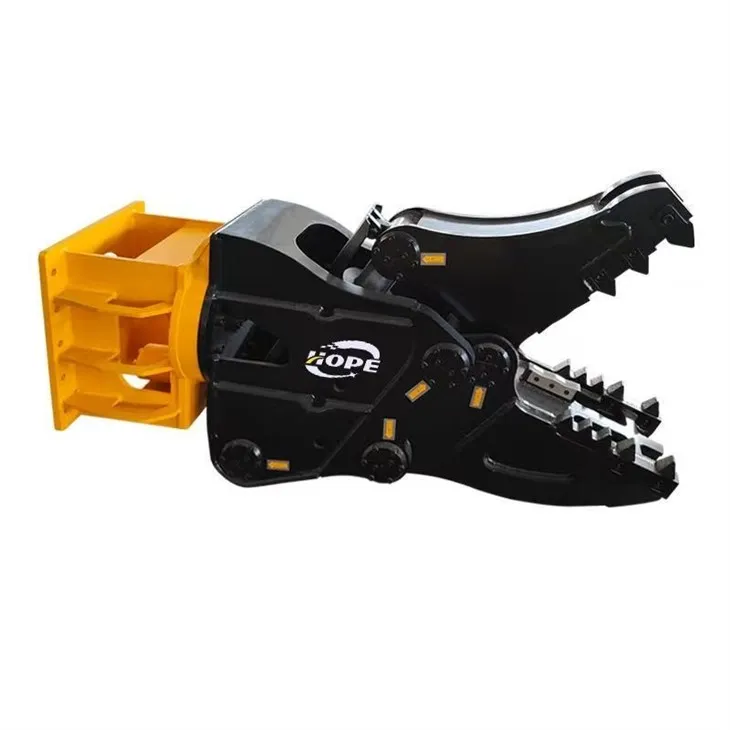
-
Hammer Mills
Hammer mills work by striking the glass with rapidly rotating hammers. They are good at producing a fine powder, but they may not be as efficient as rotating pulverizers in handling large pieces of glass. The rotating pulverizer can take on bigger chunks of glass right away and break them down step by step. -
Ball Mills
Ball mills use grinding media (usually balls) to grind the glass into a fine powder. They are mainly used for producing very fine glass powders. In contrast, a rotating pulverizer is more suitable for the initial stage of glass processing, where large - scale crushing is required.
Real - World Applications
In some glass recycling facilities, rotating pulverizers are already being used. For example, in a plant that recycles automotive glass, the rotating pulverizer can quickly break down the large windshields and side windows into smaller pieces. These pieces can then be further processed to remove any contaminants and be used to make new glass products.
Another application is in the construction industry. When demolishing buildings with glass facades, a rotating pulverizer attached to an excavator can crush the glass on - site. This not only reduces the volume of waste but also makes it easier to transport and recycle the glass.
Industry Trends
The demand for sustainable and efficient glass processing methods is on the rise. As a result, more and more companies are looking for equipment like Rotating Pulverizers that can help them achieve their goals. Manufacturers are also constantly improving the design of rotating pulverizers to make them more suitable for glass processing. For example, they are developing new materials for the jaws that can better withstand the abrasion caused by glass.
Should You Consider a Rotating Pulverizer for Your Glass Processing Needs?
If you're in the glass processing business, especially if you deal with large - scale operations or need to crush large pieces of glass, a rotating pulverizer could be a great addition to your equipment lineup. However, you need to be aware of the challenges mentioned above and take the necessary measures to address them.
On a side note, if you're also interested in other types of excavator attachments, our Hydraulic Pulverizer is another powerful option that might suit your needs.
If you're thinking about purchasing a rotating pulverizer for your glass processing operations, don't hesitate to reach out. We're here to answer all your questions and help you find the right equipment for your specific requirements. Whether you need more information about the technical specifications or want to discuss potential customization options, just drop us a line. Let's have a chat and see how we can work together to take your glass processing to the next level!
References
- Smith, J. (2020). "Advances in Crushing Equipment for the Glass Industry". Journal of Recycling Technology.
- Brown, A. (2019). "The Role of Rotating Attachments in Construction and Recycling". Construction Machinery Magazine.


