Can a Tilt Quick Coupler be repaired if it breaks?
As a supplier of Tilt Quick Couplers, I often encounter questions from customers regarding the durability and repairability of our products. One prevalent concern is, "Can a Tilt Quick Coupler be repaired if it breaks?" This question is not only valid but also crucial for those who rely on these tools in their daily operations. In this blog post, I'll delve into the factors influencing the repairability of Tilt Quick Couplers, possible repair scenarios, and when replacement might be the better option.
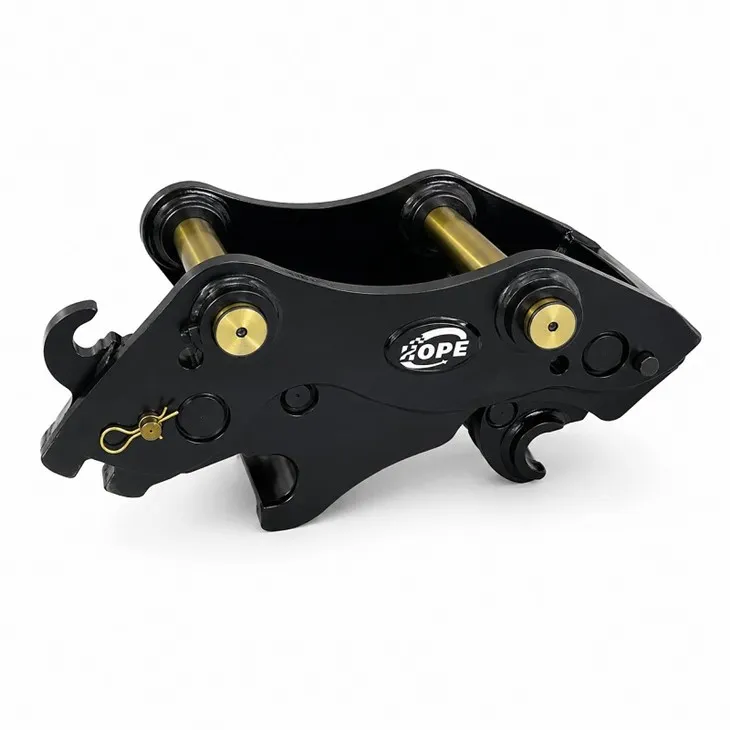
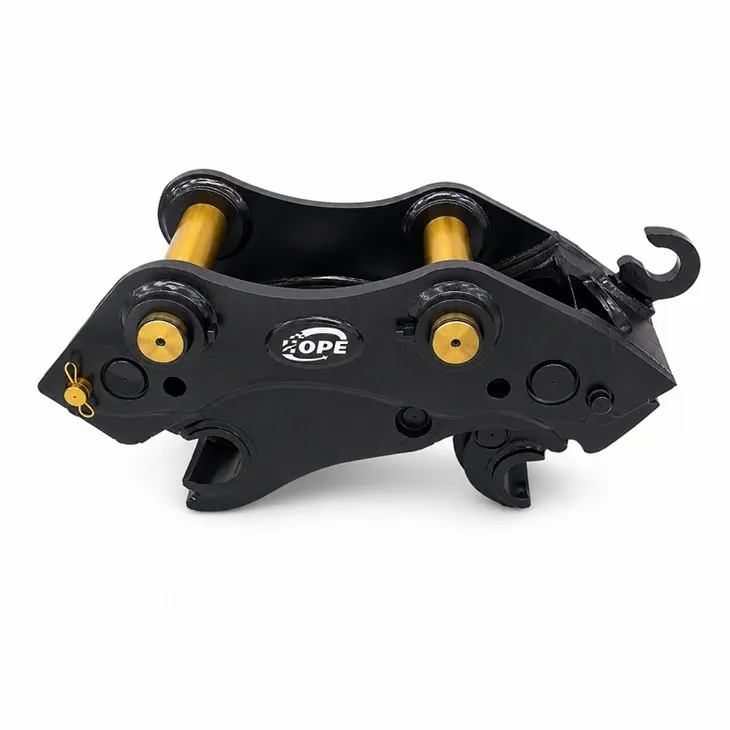
First, let's understand what a Tilt Quick Coupler is and its significance in the industry. A Tilt Quick Coupler Tilt Quick Coupler is a vital excavator attachment that allows the operator to quickly swap between different tools and also tilt the attachment. This flexibility greatly enhances the efficiency of excavating, grading, and other earth - moving tasks. It eliminates the need for manual attachment changes, which can be time - consuming and labor - intensive.
When a Tilt Quick Coupler breaks, several factors come into play to determine whether it can be repaired. The nature of the damage is the primary consideration. Minor damage, such as a broken hydraulic hose or a loose pin, is often repairable. Hydraulic hoses are a common point of failure due to their constant exposure to movement, pressure, and external elements. If a hose is damaged, it can usually be replaced with a new one. Most Tilt Quick Couplers have standardized hydraulic connections, making it relatively easy to source and install a replacement hose. Similarly, a loose or damaged pin can be tightened or replaced with a new pin of the appropriate size.
Wear and tear on critical components is another factor to consider. For example, the locking mechanism of a Tilt Quick Coupler may experience wear over time. If the locking teeth are slightly worn, they can sometimes be refurbished through processes like machining or heat - treating to restore their functionality. However, if the wear is severe, replacement of the locking mechanism may be necessary.
Corrosion can also affect the repairability of a Tilt Quick Coupler. In environments where the coupler is exposed to moisture, saltwater, or chemicals, corrosion may occur. Surface corrosion can often be treated by sanding, cleaning, and applying a protective coating. But if the corrosion has penetrated deep into the metal, compromising the structural integrity of the coupler, repair may not be a viable option.
Let's compare the Tilt Quick Coupler with other types of quick couplers in terms of repairability. A Rotating Quick Coupler has more complex components and a greater number of moving parts compared to a Tilt Quick Coupler. In case of damage, the repair process for a Rotating Quick Coupler can be more intricate and may require specialized skills. A Double Lock Quick Hitch is designed for enhanced safety. If its double - locking system fails, the repair may need to adhere to strict safety standards and may involve more precision work. A Mechanical Quick Hitch is relatively simple in design, and many mechanical failures can be easily fixed by replacing basic mechanical parts. A Hydraulic Quick Hitch shares some similar repair aspects with the Tilt Quick Coupler, especially when it comes to hydraulic system failures.
There are also situations where replacement is the better choice. If the Tilt Quick Coupler has suffered a major structural failure, such as a cracked main body or a severely damaged pivot point, replacement is often the more cost - effective and safer option in the long run. Attempting to repair a structurally compromised coupler can put the operator and the equipment at risk.
The age of the coupler is another determining factor. Older couplers may have already endured significant wear across multiple components. Even if a particular component can be repaired, other parts may be on the verge of failure. In such cases, replacing the entire coupler can provide a more reliable and long - lasting solution.
In addition to the technical aspects, economic factors play a significant role. Repair costs need to be weighed against the cost of a new Tilt Quick Coupler. If the cost of repair approaches or exceeds the price of a new unit, replacement becomes the obvious choice. However, it's important to consider the downtime associated with acquiring a new coupler. In some cases, a quick repair can get the equipment back to work faster, minimizing the loss of productivity.
As a supplier, I always recommend routine maintenance to prevent breakdowns in the first place. Regularly inspecting the Tilt Quick Coupler for signs of wear, corrosion, or damage can help catch problems early and avoid costly repairs or replacements. Cleaning the coupler after use, lubricating moving parts, and checking hydraulic fluid levels are simple yet effective maintenance practices.
If you're facing a broken Tilt Quick Coupler or are considering purchasing one, we're here to help. Our team of experts has extensive experience in Tilt Quick Coupler repair and can provide you with professional advice on whether to repair or replace your coupler. We also offer a wide range of high - quality Tilt Quick Couplers and other quick coupler options to meet your specific needs. Contact us to discuss your requirements and get the best solutions for your excavating equipment.
References
- Industry standards and guidelines for excavator attachments
- Manufacturer's manuals for Tilt Quick Couplers
- Technical literature on hydraulic systems and mechanical engineering principles applicable to quick couplers