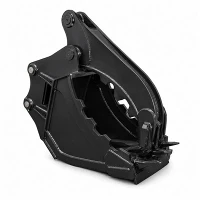
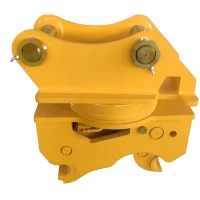
Hey there! As a supplier of Tilt Quick Couplers, I know how important it is to use these bad boys safely, especially on slopes. So, let's dive into the safety measures you should follow when using a Tilt Quick Coupler on slopes.
Pre - operation Checks
Before you even think about taking your Tilt Quick Coupler onto a slope, a thorough pre - operation check is a must. First off, inspect the coupler itself. Look for any signs of wear and tear, like cracked pins or loose bolts. I've seen way too many accidents happen because someone skipped this step. Make sure all the moving parts, such as the tilt mechanism, are working smoothly. You don't want it jamming up halfway through a job.
Check the hydraulic hoses. Any leaks can not only reduce the performance of your Tilt Quick Coupler but also pose a safety risk. A small leak might seem harmless, but it could lead to a sudden loss of pressure, causing the attachment to malfunction. And don't forget to check the connection between the coupler and the excavator. It should be tight and secure. If it's loose, it could cause the attachment to detach unexpectedly, which is super dangerous, especially on a slope.
Machine Stability
When you're on a slope, machine stability is key. The Tilt Quick Coupler adds some extra weight and changes the center of gravity of your excavator. So, you need to be extra careful. First, make sure your excavator is properly positioned on the slope. It should be perpendicular to the slope as much as possible. This helps distribute the weight evenly and reduces the risk of tipping over.
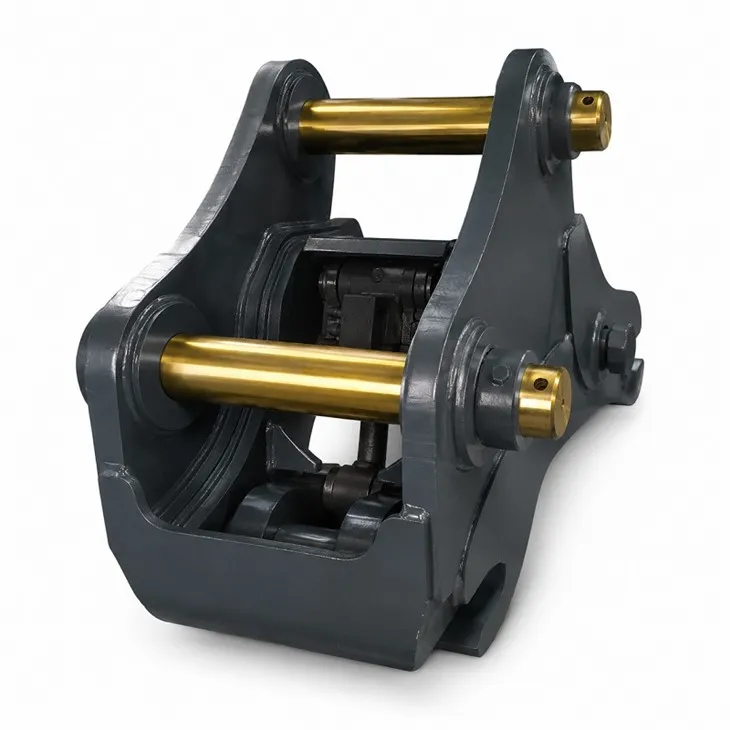

Keep the load close to the machine. If you're using the Tilt Quick Coupler to move heavy materials, don't extend the attachment too far. The further the load is from the machine, the more unstable it becomes. And always be aware of the slope's angle. Steeper slopes mean higher risks. If the slope is too steep, it might be better to avoid using the Tilt Quick Coupler altogether.
Operator Training
You can have the best Tilt Quick Coupler on the market, but if the operator doesn't know how to use it safely, it's a recipe for disaster. That's why proper operator training is crucial. The operator should be familiar with the specific features and functions of the Tilt Quick Coupler. They need to know how to operate the tilt mechanism smoothly and how to handle different types of attachments.
Training should also cover slope safety. Operators should learn how to assess the stability of the slope and how to adjust their operations accordingly. They should know the limits of the machine and the coupler on slopes. For example, they should know when it's safe to tilt the attachment and when it's better to keep it level. And don't forget about emergency procedures. In case something goes wrong, the operator should know what to do to minimize the damage and keep everyone safe.
Attachment Compatibility
Not all attachments are created equal, and not all of them are suitable for use with a Tilt Quick Coupler on slopes. Make sure the attachment you're using is compatible with the coupler and the excavator. Check the weight and size limits. Using an attachment that's too heavy or too large can put extra stress on the coupler and the machine, increasing the risk of accidents.
Also, consider the type of attachment. Some attachments, like buckets, are more stable than others. If you're working on a slope, it might be better to use a more stable attachment. And always follow the manufacturer's recommendations for attachment use. They know their products best and can give you the most accurate advice on what works and what doesn't.
Communication
When you're working on a slope with a Tilt Quick Coupler, communication is vital. If there are other workers on the site, make sure everyone knows what's going on. Use hand signals or radios to communicate effectively. The operator should be able to see and communicate with any spotters or other workers in the area.
If there are any changes in the slope conditions, like a small landslide or a change in the angle, everyone needs to be informed immediately. This way, the operator can adjust their operations and keep everyone safe. And don't forget about communication with the maintenance team. If there are any issues with the Tilt Quick Coupler or the excavator, they need to know so they can fix it as soon as possible.
Maintenance and Inspections
Regular maintenance and inspections are essential for the safe use of a Tilt Quick Coupler on slopes. After each use, give the coupler a quick once - over. Look for any signs of damage or wear that might have occurred during the operation. Clean the coupler to remove any dirt or debris that could affect its performance.
Schedule regular maintenance checks. This includes checking the hydraulic system, lubricating the moving parts, and tightening any loose bolts. A well - maintained Tilt Quick Coupler is less likely to malfunction, which means a safer working environment. And keep a record of all the maintenance and inspections. This can help you track the coupler's performance over time and identify any potential issues before they become serious.
Weather Conditions
Weather can have a big impact on the safety of using a Tilt Quick Coupler on slopes. In wet or icy conditions, the slope becomes more slippery, which increases the risk of the excavator sliding. If it's raining or snowing, make sure to take extra precautions. You might need to slow down the operation or even stop working until the conditions improve.
In hot weather, check the hydraulic fluid levels more frequently. High temperatures can cause the fluid to expand and even leak. And if there's a strong wind, be careful when using the coupler. The wind can affect the stability of the machine and the attachment, especially if the attachment is large or has a lot of surface area.
Choosing the Right Tilt Quick Coupler
As a supplier, I know that choosing the right Tilt Quick Coupler for your needs is crucial. There are different types of quick couplers available, such as Hydraulic Quick Hitch, Mechanical Quick Hitch, Rotating Quick Coupler, and Double Lock Quick Hitch. Make sure to choose the one that suits your excavator and the type of work you'll be doing on slopes. Consider factors like the weight capacity, the range of tilt, and the durability of the coupler.
Conclusion
Using a Tilt Quick Coupler on slopes can be a challenging but rewarding task. By following these safety measures, you can minimize the risks and ensure a safe working environment. Remember, safety should always be your top priority.
If you're in the market for a high - quality Tilt Quick Coupler or any other Tilt Quick Coupler, we're here to help. Contact us for more information on our products and let's discuss how we can meet your needs!
References
- Industry safety guidelines for construction equipment
- Manufacturer's manuals for Tilt Quick Couplers
- Operator training materials for excavators and quick couplers