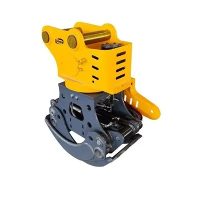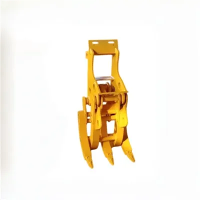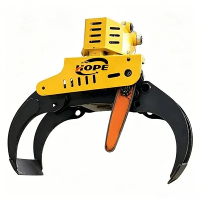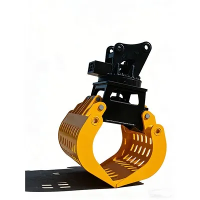
Hydraulic cutters typically feature an aluminum alloy housing, while their blades are forged from hot-rolled steel. The piston and piston rod are generally manufactured from hot-rolled alloy steel. Hydraulic cutters are primarily utilized to shear materials such as sheet metal and plastics. Commonly, they are employed to cut through automobiles and other vehicles to extricate trapped occupants. Much like hydraulic spreaders, hydraulic cutters can be powered by gasoline-driven units. Rescue jaw systems may be driven by electric, pneumatic, or hydraulic power sources.
Unlike hydraulic spreaders, hydraulic cutters feature curved, claw-like extensions that taper to pointed tips. Operating on the same principle as hydraulic spreaders, hydraulic fluid flows into a hydraulic cylinder, exerting pressure upon the piston. The opening and closing of the blades are determined by the direction of the force applied to the piston. When the piston rod extends, the blades spread apart; conversely, when the piston rod retracts, the blades begin to close in upon an object-such as a vehicle roof-shearing it apart.