

In the realm of heavy - duty construction and landscaping, the Excavator Rake stands as a versatile and indispensable tool. As a supplier of Excavator Rakes, I often get asked about the power source that drives these remarkable machines. Understanding the power source is crucial not only for the efficient operation of the Excavator Rake but also for making informed decisions when it comes to purchasing and using this equipment.
The Primary Power Source: Hydraulics
The most common and widely used power source for an Excavator Rake is hydraulics. Hydraulic systems are the backbone of many heavy - equipment operations, and the Excavator Rake is no exception.
Hydraulic power operates on the principle of Pascal's law, which states that when pressure is applied to an enclosed fluid, the pressure change is transmitted equally throughout the fluid. In an Excavator Rake, a hydraulic pump, typically powered by the excavator's engine, pressurizes hydraulic fluid. This pressurized fluid is then directed through a series of hoses and valves to the hydraulic cylinders that control the movement of the rake's tines.
The hydraulic cylinders are the key components that convert the hydraulic energy into mechanical motion. When the pressurized fluid enters one side of the cylinder, it pushes the piston, which in turn moves the tines of the rake. This allows for precise control over the opening, closing, and angle adjustment of the rake, enabling operators to perform a wide range of tasks such as sorting debris, grading soil, and clearing vegetation.
One of the main advantages of using hydraulics as the power source for an Excavator Rake is its high power - to - weight ratio. Hydraulic systems can generate a large amount of force with relatively small components, making them ideal for use in compact and maneuverable equipment like the Excavator Rake. Additionally, hydraulic systems offer smooth and precise control, allowing operators to perform delicate tasks with ease.
The Role of the Excavator's Engine
The excavator's engine plays a vital role in powering the hydraulic system of the Excavator Rake. The engine drives the hydraulic pump, which is responsible for pressurizing the hydraulic fluid. Most modern excavators are equipped with diesel engines, which are known for their high torque and fuel efficiency.
The power output of the excavator's engine determines the capacity of the hydraulic system. A more powerful engine can drive a larger hydraulic pump, which in turn can provide more pressure and flow to the hydraulic cylinders of the Excavator Rake. This means that larger and more heavy - duty rakes require excavators with higher - powered engines to operate effectively.
It's important to note that the compatibility between the excavator and the Excavator Rake is crucial. The hydraulic system of the excavator must be able to provide the necessary pressure and flow rate to ensure proper operation of the rake. Before purchasing an Excavator Rake, it's essential to consult the manufacturer's specifications to ensure that it is compatible with your excavator's hydraulic system.
Alternative Power Sources
While hydraulics is the dominant power source for Excavator Rakes, there are some alternative power sources that are being explored and used in certain applications.
Electric Power
Electric - powered Excavator Rakes are becoming more popular, especially in indoor or environmentally sensitive areas. Electric motors can provide a clean and quiet alternative to hydraulic systems. They are also relatively easy to maintain and operate. However, the main limitation of electric - powered rakes is their limited range, as they need to be connected to a power source.
Pneumatic Power
Pneumatic systems use compressed air to generate power. Pneumatic - powered Excavator Rakes are less common than hydraulic or electric ones. They are typically used in applications where a lightweight and portable power source is required. However, pneumatic systems generally have lower power output compared to hydraulic systems, which limits their use in heavy - duty applications.
Applications and the Importance of the Power Source
The power source of an Excavator Rake has a significant impact on its applications.
In construction sites, the high - power hydraulic Excavator Rakes are used for tasks such as site preparation, debris removal, and soil grading. The ability to generate large amounts of force allows the rake to handle heavy and bulky materials with ease. For example, in a large - scale construction project where a lot of debris needs to be cleared, a hydraulic - powered Excavator Rake can quickly and efficiently sort through the rubble and pile it up for removal.
In landscaping and forestry, the precise control provided by the hydraulic system is essential. Landscapers use Excavator Rakes to level the ground, remove roots, and clear vegetation. The ability to adjust the angle and opening of the rake allows for a more detailed and accurate work. For instance, when creating a garden bed, a landscaper can use the rake to precisely remove unwanted grass and weeds while leaving the surrounding plants intact.
Related Attachments and Their Power Sources
As a supplier, I also offer a range of other excavator attachments, each with its own power source requirements.
The Excavator Flail Mower is another popular attachment. Like the Excavator Rake, it is often powered by hydraulics. The hydraulic system drives the rotating flails, which are used to cut through thick vegetation. The high - speed rotation of the flails requires a powerful hydraulic system to ensure efficient operation.
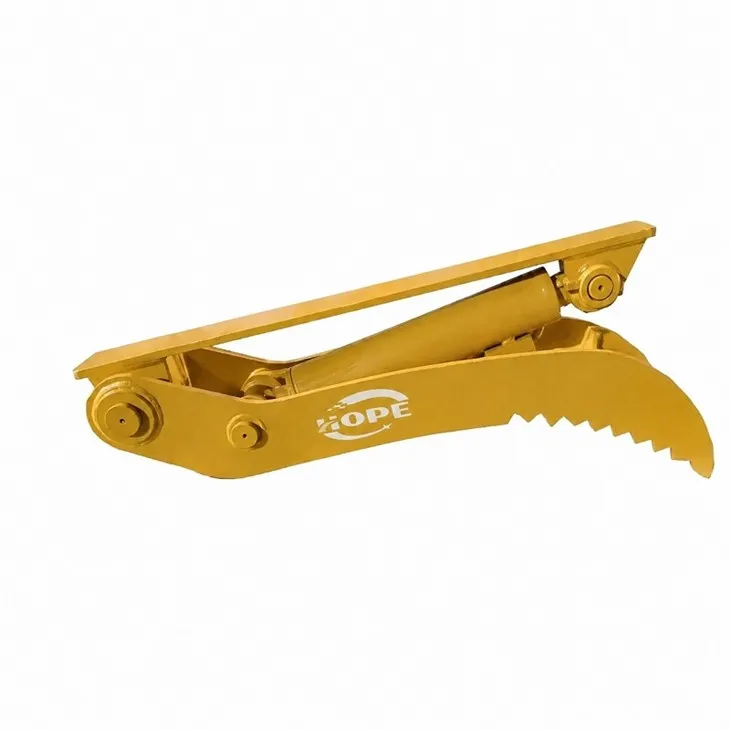
The Hydraulic Thumb is a useful attachment for gripping and moving objects. It is powered by the excavator's hydraulic system, allowing for precise control over the opening and closing of the thumb. This is particularly useful in tasks such as picking up and moving large rocks or logs.
The Excavator Earth Auger is used for drilling holes in the ground. It can be powered by hydraulics or, in some cases, by the excavator's power take - off (PTO). The hydraulic system provides the torque needed to rotate the auger and dig into the soil.
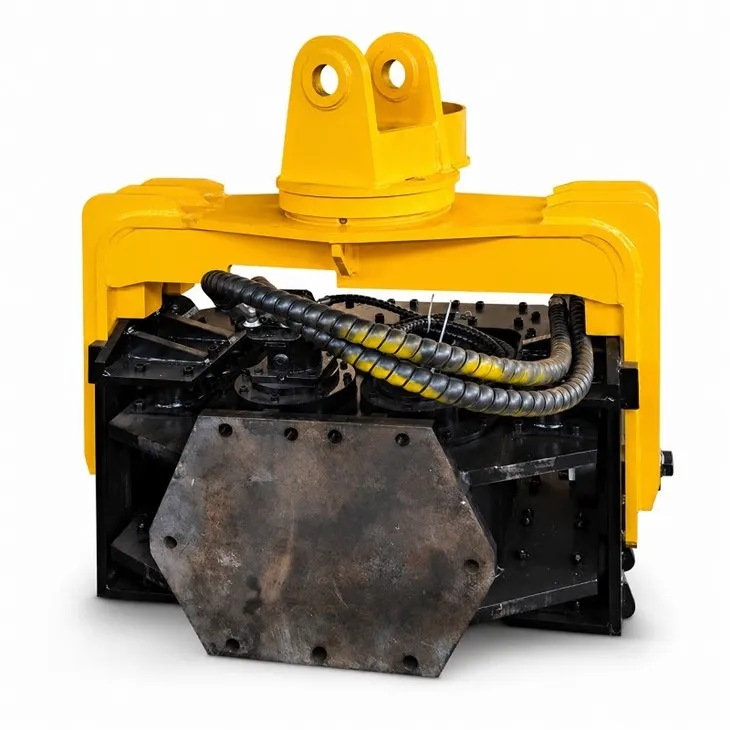
The Excavator Pile Hammer is a heavy - duty attachment used for driving piles into the ground. It is typically powered by hydraulics, which can generate the high - impact force required for pile driving.
Why Choose Our Excavator Rakes
As a supplier of Excavator Rakes, we take pride in offering high - quality products. Our rakes are designed to work seamlessly with a wide range of excavators, ensuring optimal performance and compatibility. We use only the best materials and advanced manufacturing techniques to ensure the durability and reliability of our products.
Our hydraulic systems are engineered to provide maximum power and efficiency. Whether you are working on a small - scale landscaping project or a large - scale construction site, our Excavator Rakes can meet your needs. We also offer excellent customer support, providing you with all the information and assistance you need to choose the right rake for your application.
Contact Us for Purchase and Consultation
If you are interested in purchasing an Excavator Rake or any of our other excavator attachments, we invite you to contact us. Our team of experts is ready to answer your questions, provide detailed product information, and assist you in making the right choice for your project. Whether you are a professional contractor or a DIY enthusiast, we have the right solution for you.
References
- Construction Equipment Handbook, 2023 Edition
- Hydraulic Systems in Heavy Machinery: Principles and Applications, John Smith, 2022
- Landscaping and Forestry Equipment Guide, 2024 Edition


