

The weight of a bucket can have a profound impact on an excavator's performance, influencing everything from its stability and fuel efficiency to its digging power and overall productivity. As a supplier of Excavator Crushing Buckets, I've witnessed firsthand how the right - or wrong - bucket weight can make or break a job on the construction site. In this blog, we'll explore the various ways in which the bucket's weight affects an excavator's performance.
Stability
One of the most critical aspects of an excavator's performance is its stability. When an excavator is in operation, it needs to maintain balance to prevent tipping over, especially when working on uneven terrain or lifting heavy loads. The weight of the bucket plays a significant role in this.
A heavier bucket can shift the excavator's center of gravity, making it more top - heavy. If the weight is not properly distributed, it can lead to a higher risk of the excavator tipping over, which is not only dangerous but can also cause significant damage to the machine and the surrounding area. For example, when using a Skeleton Bucket Attachment, if the bucket is too heavy, it may cause the excavator to become unstable during the lifting and dumping process.
On the other hand, a lighter bucket can improve the excavator's stability. It keeps the center of gravity closer to the base of the machine, reducing the risk of tipping. This is particularly important when working on slopes or in confined spaces where maintaining balance is crucial. However, a bucket that is too light may not have enough mass to effectively break through hard materials, limiting its functionality.
Fuel Efficiency
The weight of the bucket also has a direct impact on the excavator's fuel efficiency. A heavier bucket requires more power to lift, move, and operate. This means that the engine has to work harder, consuming more fuel in the process. For long - term operations, this can result in significantly higher fuel costs.
For instance, if you're using an Excavator Cleaning Bucket for a large - scale site cleanup project, a heavy bucket will increase the fuel consumption of the excavator. Over the course of the project, these additional fuel costs can add up, cutting into the project's budget.
In contrast, a lighter bucket reduces the load on the engine, allowing it to operate more efficiently. This translates into lower fuel consumption and cost savings over time. However, it's important to find the right balance. A bucket that is too light may not be able to perform the required tasks effectively, leading to longer working hours and potentially higher overall costs.
Digging Power
The weight of the bucket is closely related to its digging power. A heavier bucket can provide more downward force, making it easier to break through hard soils, rocks, and other tough materials. This is especially beneficial in construction and mining projects where the excavator needs to dig deep and break up large chunks of material.
Our Excavator Crushing Buckets are designed to be heavy enough to provide the necessary force for crushing and digging. The added weight allows the bucket to apply more pressure to the ground, improving its ability to break through hard substances. In comparison, a lighter bucket may struggle to penetrate hard materials, resulting in slower digging speeds and less efficient operation.
However, the excavator's hydraulic system also plays a role in digging power. If the hydraulic system is not powerful enough to handle a heavy bucket, it may not be able to lift or operate the bucket effectively. This can lead to a decrease in performance and potentially damage the hydraulic components.
Productivity
Ultimately, the impact of the bucket's weight on an excavator's performance affects productivity. A well - balanced bucket weight can optimize the excavator's operations, allowing it to work more efficiently and complete tasks in a shorter amount of time.
For example, using a Grab Bucket Attachment with the right weight can improve the speed and accuracy of material handling. The bucket can quickly grab and lift the required materials, reducing the time spent on each cycle. On the other hand, a bucket that is either too heavy or too light can cause delays. A heavy bucket may slow down the excavator's movements, while a light bucket may require multiple passes to complete a task.
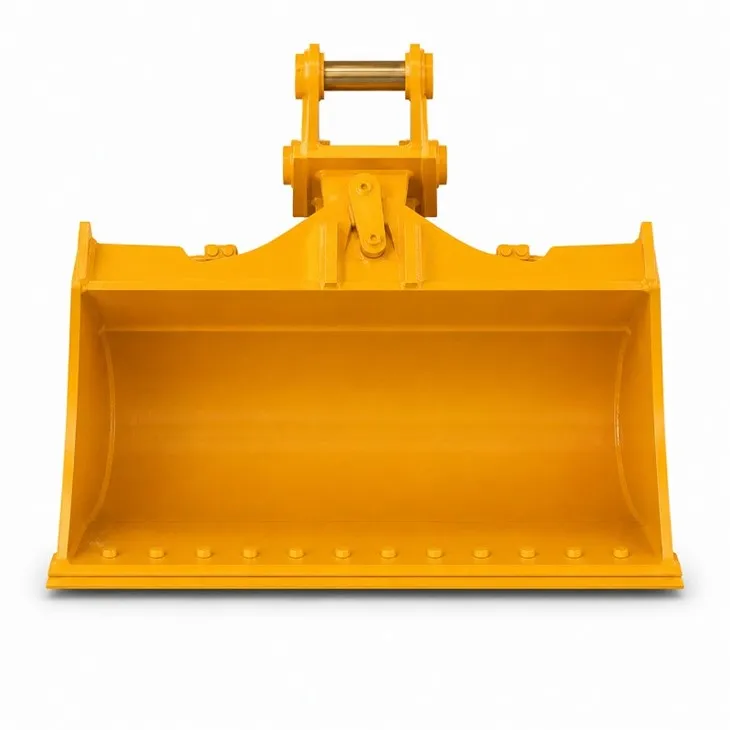
When choosing a bucket, it's essential to consider the specific requirements of the project. Different projects may require different bucket weights to achieve optimal productivity. For example, a landscaping project may benefit from a lighter Tilt Bucket for precise grading, while a mining project may need a heavier bucket for digging and crushing.
Selecting the Right Bucket Weight
As a supplier of Excavator Crushing Buckets, I understand the importance of selecting the right bucket weight for your excavator. Here are some factors to consider:
- Excavator Specifications: Check the excavator's maximum lifting capacity and hydraulic system capabilities. The bucket weight should be within the excavator's rated capacity to ensure safe and efficient operation.
- Job Requirements: Consider the type of material you'll be working with and the tasks you need to perform. Harder materials may require a heavier bucket, while lighter materials can be handled with a lighter bucket.
- Terrain Conditions: If you're working on uneven or sloped terrain, a lighter bucket may be more suitable to maintain stability. On flat and stable ground, a heavier bucket can be used to increase digging power.
Conclusion
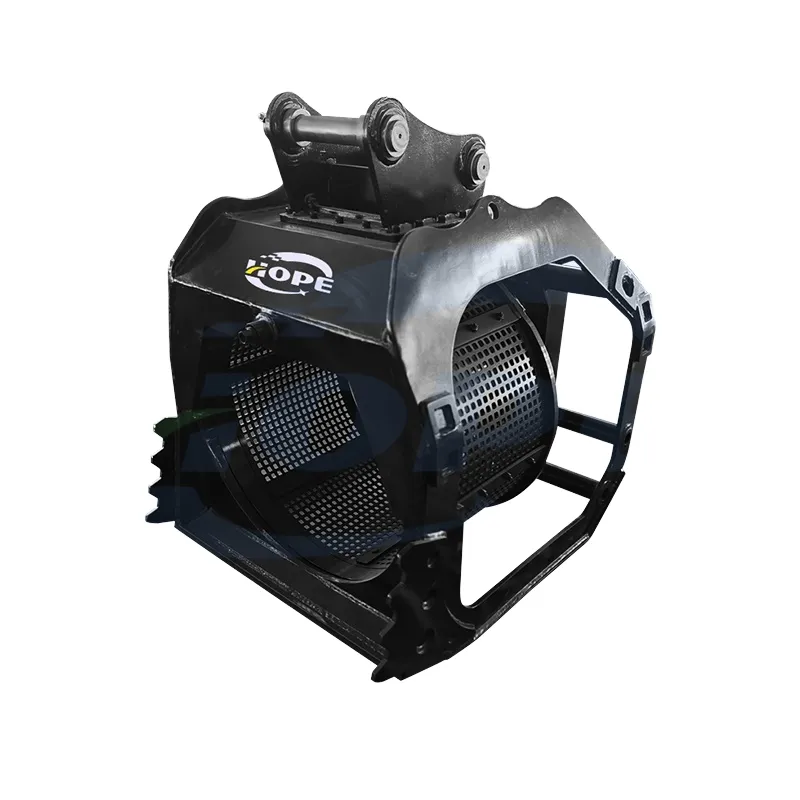
The weight of the bucket has a far - reaching impact on an excavator's performance, affecting stability, fuel efficiency, digging power, and productivity. As a supplier, I'm committed to helping our customers choose the right bucket weight for their specific needs. Whether you're in the market for an Excavator Screener, a Skeleton Bucket Attachment, or any other type of excavator bucket, we can provide you with the guidance and products to ensure optimal performance.
If you're interested in learning more about our Excavator Crushing Buckets or other excavator attachments, or if you're ready to discuss your specific project requirements, please feel free to contact us. Our team of experts is here to assist you in making the right choice for your excavator.
References
- Construction Equipment Handbook, various editions
- Technical manuals of leading excavator manufacturers


